MELABase: Bridging clinical practice and cancer research
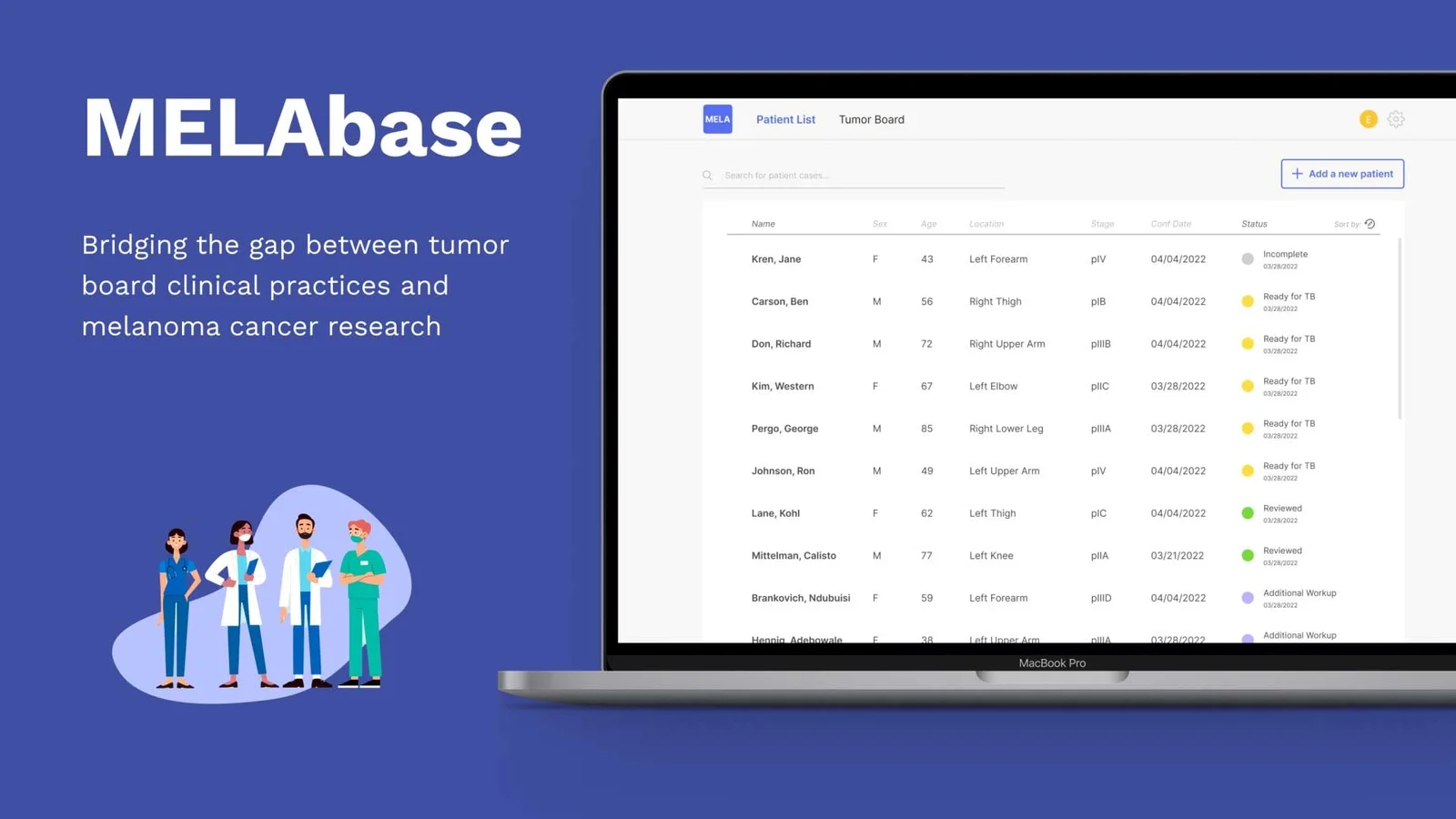
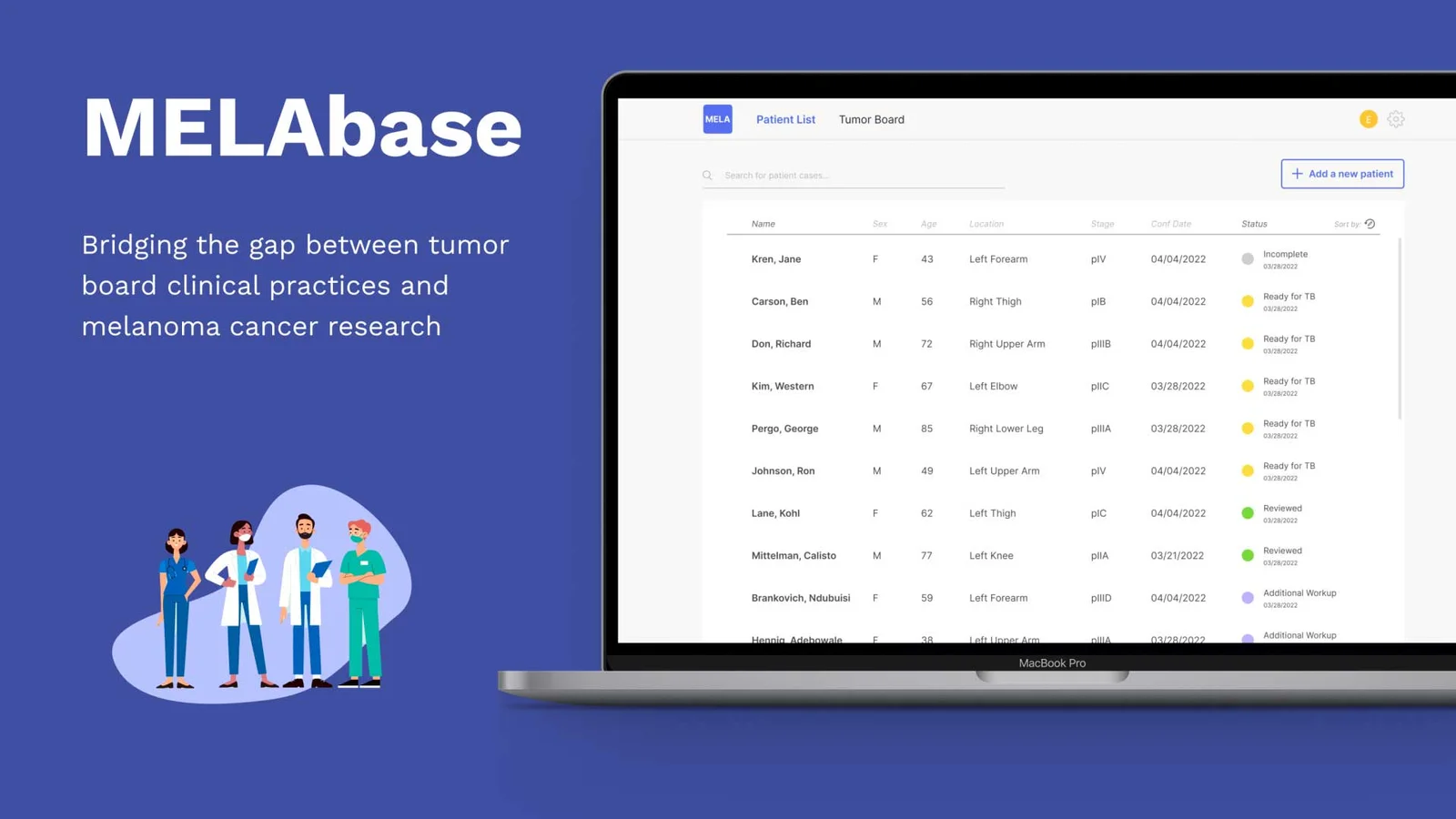
To provide comprehensive melanoma treatment, doctors at University Hospitals, Case Western Reserve University, hold
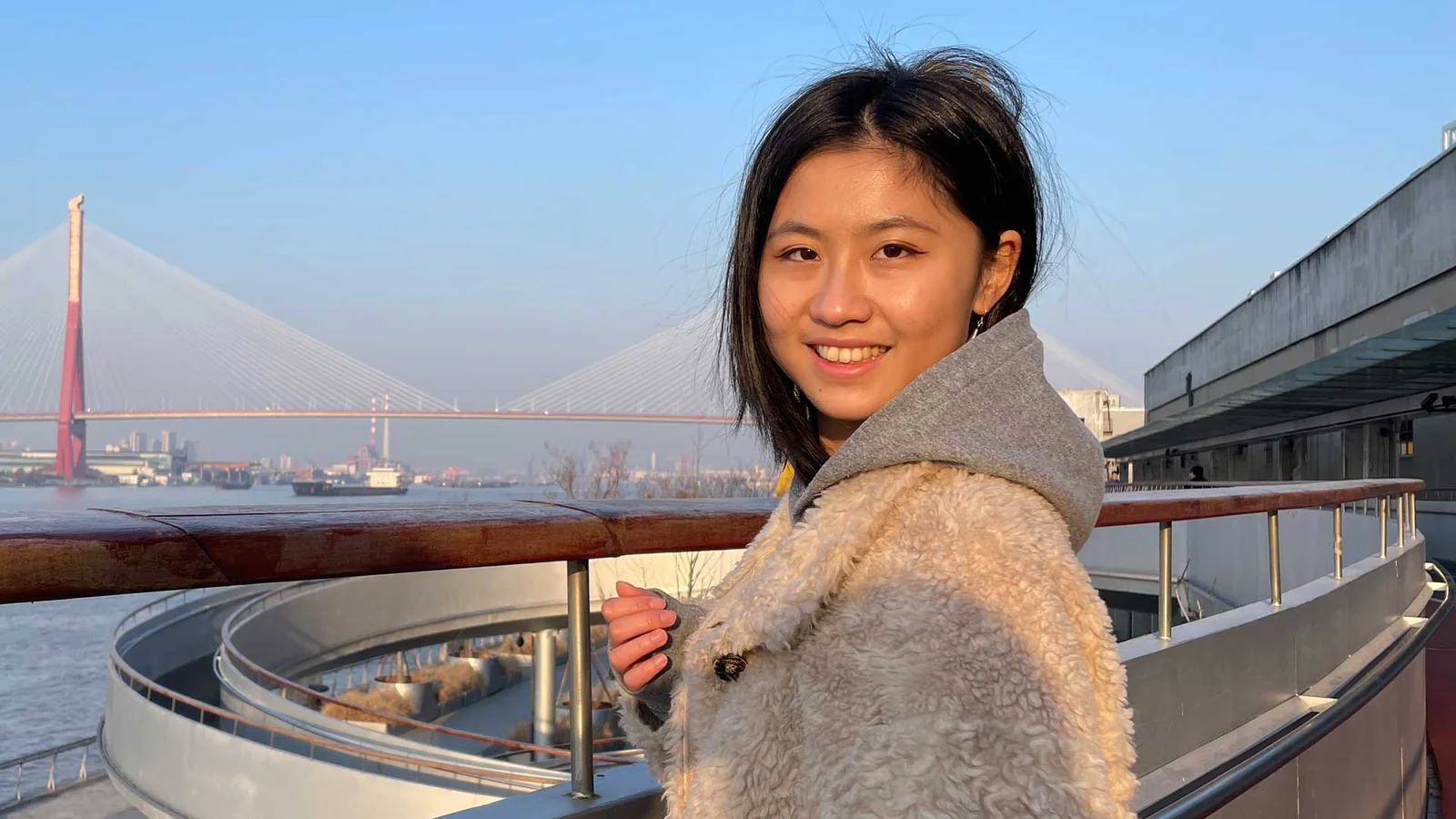
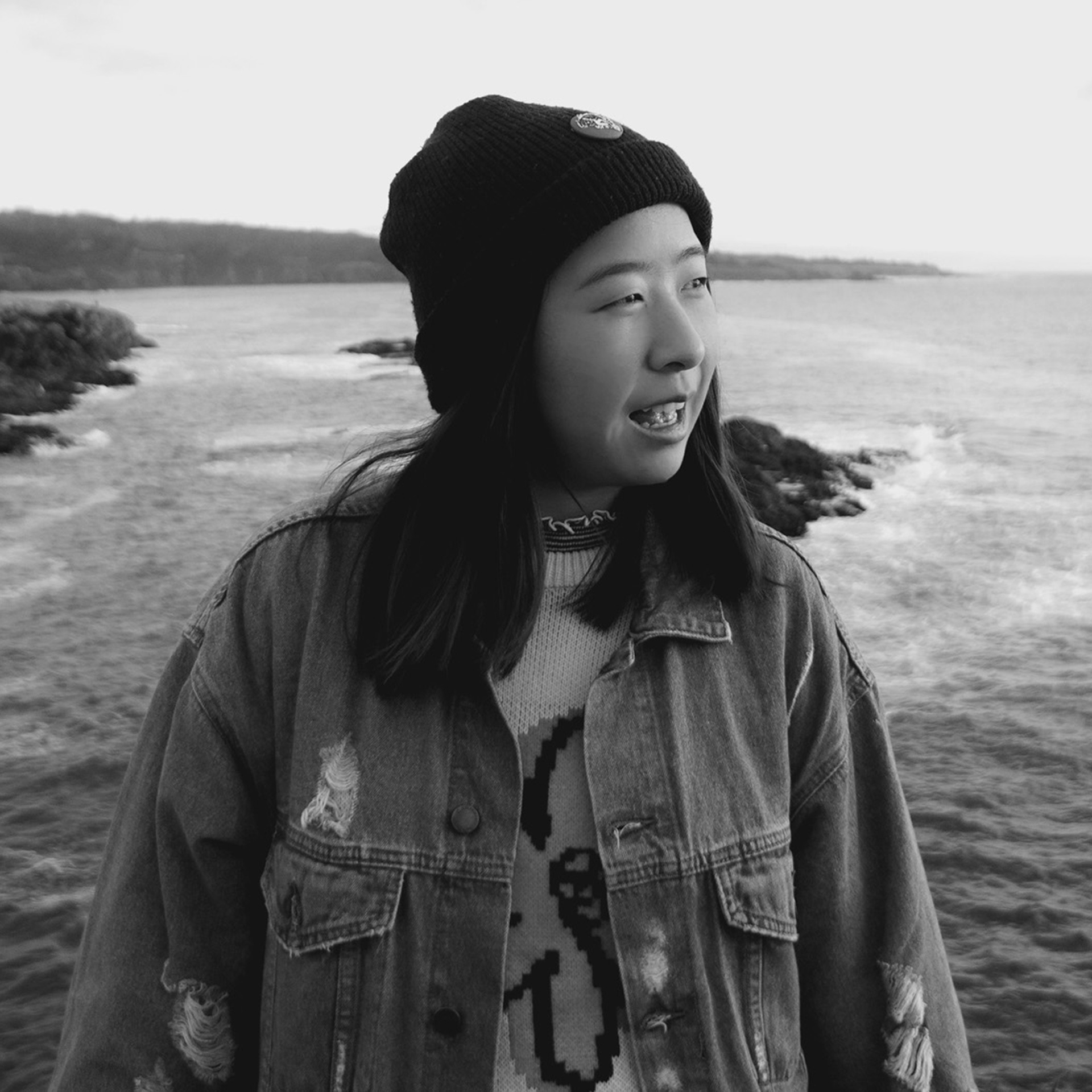
Yuanfei Zhao is a UX designer at Kensho Technologies, focused on blending creativity with AI-driven solutions. She’s worked on projects like speech-to-text tools and cancer research platforms, creating user experiences where technology and people connect seamlessly.
My name is Yuanfei, and I’m a UX designer at Kensho Technologies, the AI innovation hub for S&P Global. I’m passionate about exploring innovative ways for humans and cutting-edge technology to interact and thrive together. I’ve worked on projects including a speech-to-text AI transcription tool, an AI-powered communication coach, and a data platform for cancer research.
I’m drawn to UX design because it blends creativity with technical thinking. I love the visual aspects that make products compelling, as well as the engineering that brings them to life. For me, there’s something deeply rewarding in crafting experiences that are not only beautiful but also purposefully functional. I also thrive on the problem-solving journey—from identifying user needs to ideating effective solutions.
Winning the MUSE Design Awards has been a true highlight of my year. It’s an incredible confidence boost, affirming that my work holds meaningful value and that my ideas resonate within the design community. More importantly, this recognition fuels my passion to further develop the project, bridging the gap between cancer research and practice.
Winning this award has been a tremendous confidence boost for me, fueling my passion for creating delightful and intuitive user experiences. It’s also an exciting opportunity for me to connect and collaborate with the broader design community, opening doors for meaningful exchange and growth.
Experimentation is an integral part of my creative process. I see it as a space to explore, make mistakes, and learn without the pressure of perfection. For example, in a recent project, I was designing a travel app tailored for solo female travelers.
Initially, I followed a more conventional UI structure, but through experimentation—sketching alternate layouts, testing unconventional color palettes, and prototyping interactive elements—I landed on a design that dynamically adapts based on previous user actions and the user's physical environment. This helps solo female travelers stay more vigilant and aware of their surroundings.
One thing I wish more people understood about the design process is that design is not just about making things look pretty—it’s about solving problems thoughtfully and intentionally. Great design is rooted in research, empathy, and iteration. It’s about understanding the user, identifying pain points, and crafting solutions that are both functional and meaningful.
I always ground my design in the needs of users, ensuring their experiences and goals take priority in every project. While I bring my own ideas, I view design as a problem-solving tool rather than just a form of self-expression. When a design is centered on its users, it often best serves the client’s needs and expectations as well.
The biggest challenge I faced while working on this design was navigating the complexities of the healthcare industry, which is highly regulated. Gaining access to real patient data and understanding doctors’ workflows firsthand proved to be particularly difficult due to strict privacy constraints.
To overcome this, I turned to diary studies and worked closely with stakeholders, asking them to document their workflows step by step. This approach allowed me to gather valuable qualitative insights while respecting privacy boundaries. By carefully analyzing the data, I was able to map out stakeholder workflows in detail, which gave me a strong foundation to begin ideating user-centered design solutions.
When I hit a creative block, I’ve found that stepping away is often the best first move. I try to disconnect—whether by taking a walk, listening to music, or diving into something completely unrelated to the project. Creating a bit of distance helps me reset and return with fresh eyes.
I believe my designs are deeply rooted in who I am—shaped by all my past experiences, both personal and professional. Every project I work on carries a piece of my perspective, influenced by where I’ve been, what I’ve seen, and how I’ve felt. Whether it's the cultural lens I bring, the empathy I’ve developed through personal challenges or the curiosity that drives me to explore new ideas, my artistic output naturally stems from those lived experiences.
One piece of advice I’d give to aspiring designers is this: reach out to the design community—and don’t be afraid to put yourself out there. The design world can feel overwhelming at first, but connecting with others in the field is one of the best ways to grow, stay inspired, and discover new opportunities.
Whether it’s through online communities, local meetups, mentorship programs, or even a cold DM on LinkedIn, surrounding yourself with other creatives can open doors you didn’t even know existed. You’ll gain feedback, insights, encouragement—and maybe even collaborators who help you push your work further.
I would love the opportunity to collaborate with Don Norman, whose work has profoundly shaped my understanding of human-centered design and usability. His book The Design of Everyday Things fundamentally changed how I approach design, emphasizing that good design should be intuitive, functional, and centered around the user’s needs. His insights into affordances, feedback, and the psychology of interaction continue to guide my problem-solving and user experience work.
One question I wish people would ask me about my work is: “How did you land on this final version?”
It’s a meaningful question because it invites a look behind the scenes—into the thought process, the iterations, the challenges, and the decisions that shaped the outcome. The final version is never just a polished result; it’s the product of trial and error, user feedback, dead ends, and unexpected breakthroughs.
Explore the journey of Nanyan Chen, the Platinum and Silver Winner of the 2025 MUSE Design Awards. He’s an interior designer who believes spaces can move people—shaped by life across three countries, his style fuses sleek Italian minimalism with the soul of Chinese storytelling, a path sparked by one unforgettable hotel stay.