H2GO
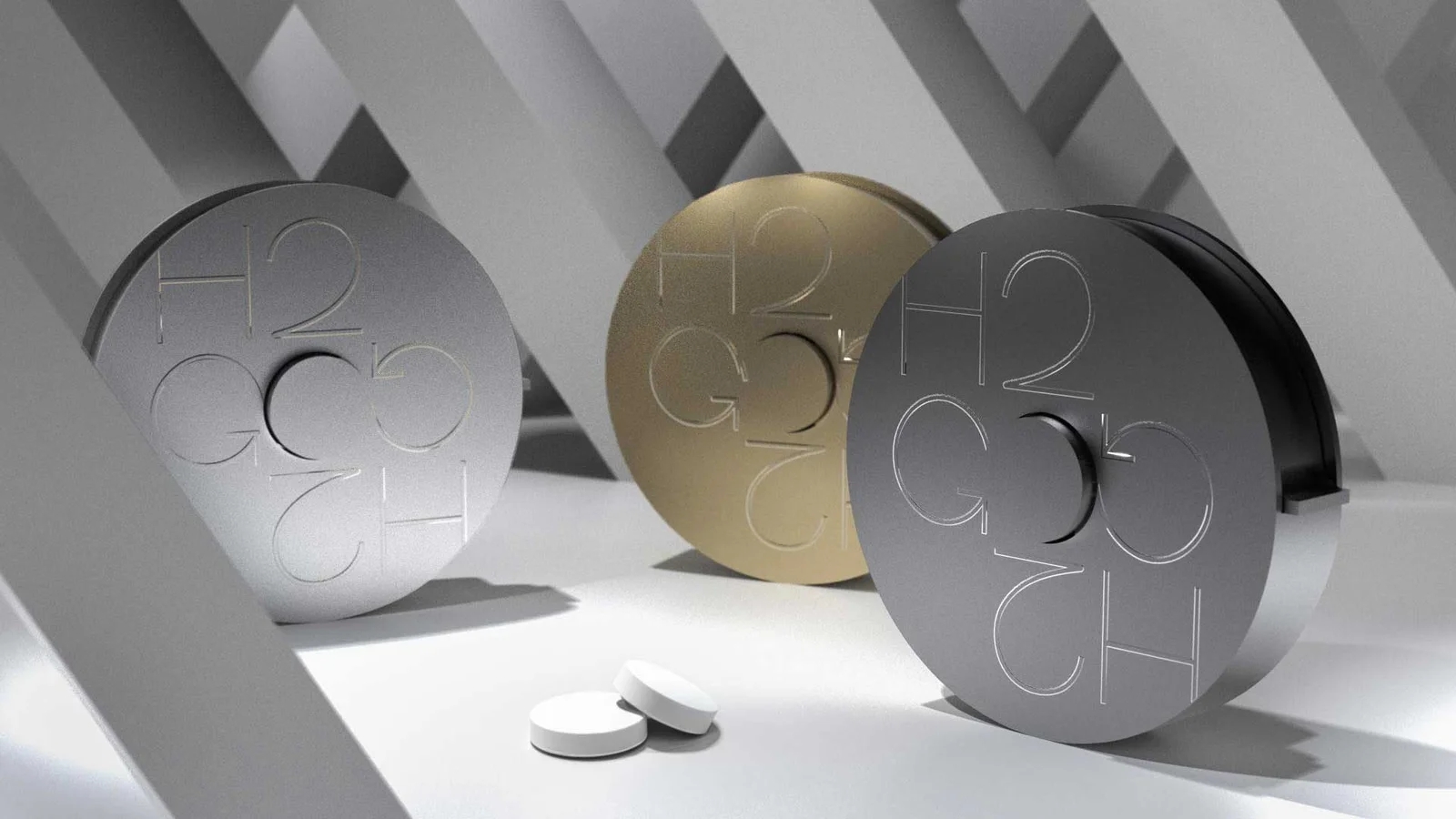
H2GO is a portable mouthwash tablet solution designed for active lifestyles, offering both convenience and...
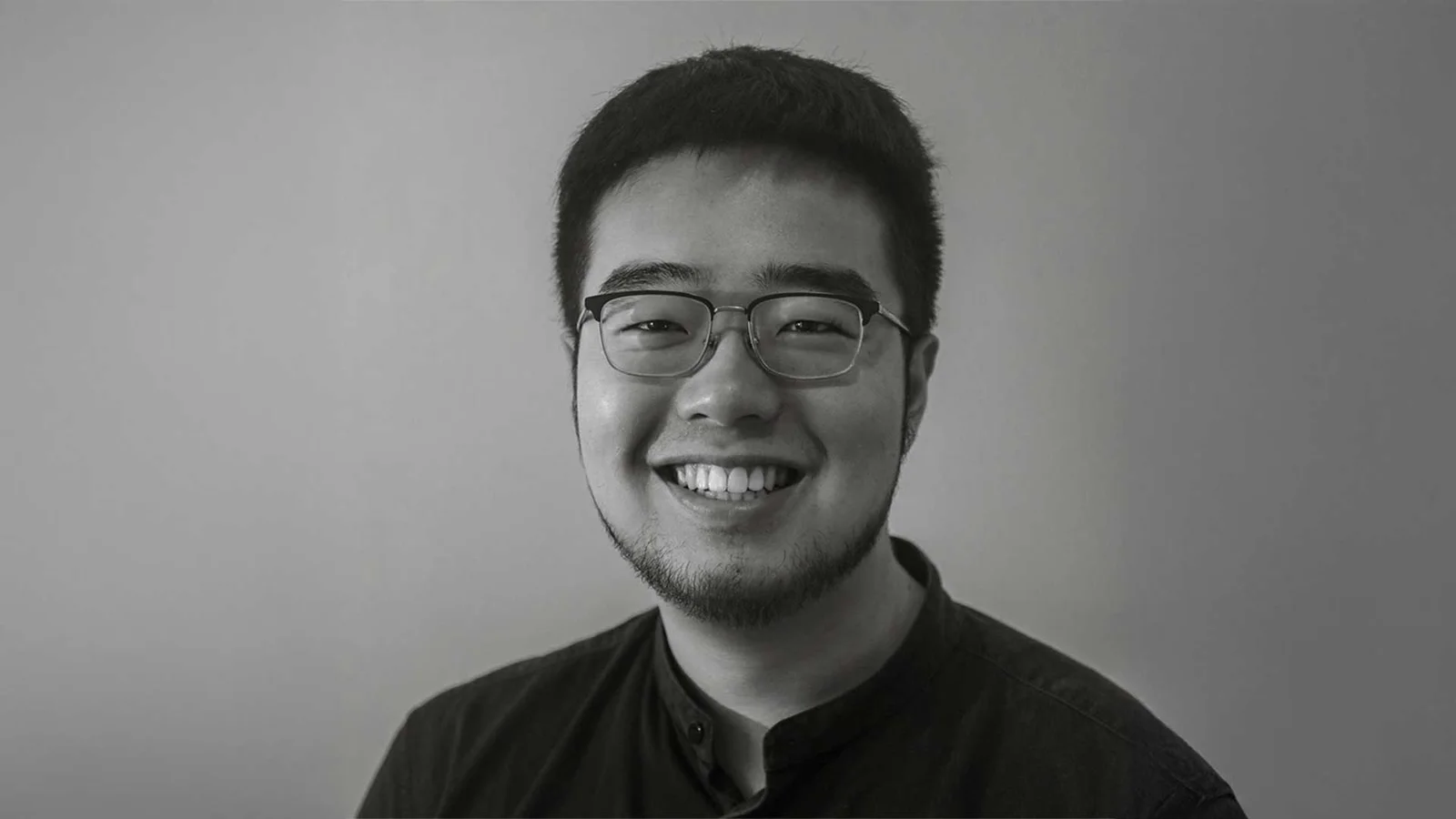
Xunxing Liang from XXL Design is a package and graphic designer whose early passion for literary writing shaped his sensitivity to narrative and emotion. This foundation inspires his branding work, where he crafts stories through packaging and visual identities that invite people to connect and feel.
I’m Xunxing Liang, a New York-based package and graphic designer skilled in branding systems with a strong ability to create cross-platform design executions. Before focusing on design, I was deeply involved in literary writing, which shaped my sensitivity to narrative and emotional resonance. That background continues to inspire my work—whether in structural packaging concepts or visual identities, I see design as storytelling that invites people to engage, feel, and connect.
Being recognized by the MUSE Design Awards is a great honor—It motivates me to keep pushing boundaries and creating work that resonates both emotionally and functionally.
This achievement has brought greater visibility to my work and opened up conversations with like-minded creatives and potential collaborators.
Experimentation plays a key role in my creative process. For project H2GO, I went through multiple rounds of prototyping to refine the packaging structure. The final design reduced the number of parts from three to two, keeping the mechanism intuitive while maximizing function with a minimal and elegant form. This hands-on trial-and-error approach helped me balance innovation, usability, and aesthetics.
I once watched kids fold origami, not quite correctly—their 'mistakes' actually led to unexpected, expressive forms. That playful imperfection made me rethink structural norms in packaging.
One thing I wish more people understood is that design isn’t just about making things look good—it’s a process of deep thinking, testing, and problem-solving. Behind every “simple” solution are countless iterations, failed prototypes, and intentional choices.
I see myself as a bridge. Instead of just presenting my own ideas, I frame them in a way that helps clients see how these solutions reflect their own values and goals. By involving them in the thinking process, they feel a sense of ownership—and often realize that the idea was already partly theirs. This creates alignment and trust, without sacrificing creativity.
One major challenge was simplifying the packaging structure while keeping it functional, compact, and intuitive. I went through multiple prototyping rounds to test mechanisms, refine dimensions, and reduce components without losing usability. Staying hands-on and open to iteration helped me find the most elegant solution through constraint.
I turn to writing, playing music, or having conversations with others. Sometimes a fresh perspective or an unrelated insight—a stone from another mountain—sparks the clarity I need.
I bring curiosity and storytelling into my work. My writing background helps me think in layers, while I always aim for simplicity with meaning—where every detail has a purpose.
Stay curious, stay open, and trust the process. Don’t rush to the final solution—explore, make mistakes, and learn from them. The more you observe and ask why, the stronger and more meaningful your work will become.
I’d love to collaborate with Kenya Hara. His concept of 'exformation' has deeply influenced how I think about communication and presence in design. Working with him would be an opportunity to explore meaning beyond what’s visible.
I wish more people would ask, “What do you want people to feel when they interact with your design?”
My answer: I want them to feel a quiet sense of discovery—like they’ve just noticed something thoughtful, intentional, and made for them. That emotional connection is what makes design truly memorable.
Explore the journey of Yu Qian, the Silver Winner of the 2025 MUSE Design Awards. She blends her clinical pharmacy background with fashion design to explore mental health, transforming personal experience and medical insight into The Treatment of Soul, a powerful reflection on body and mind.