MELAbase: Bridging Cancer Research and Clinical Practice | London Design Awards
To provide comprehensive melanoma treatment, doctors at University Hospitals, Case Western Reserve University, hold weekly...

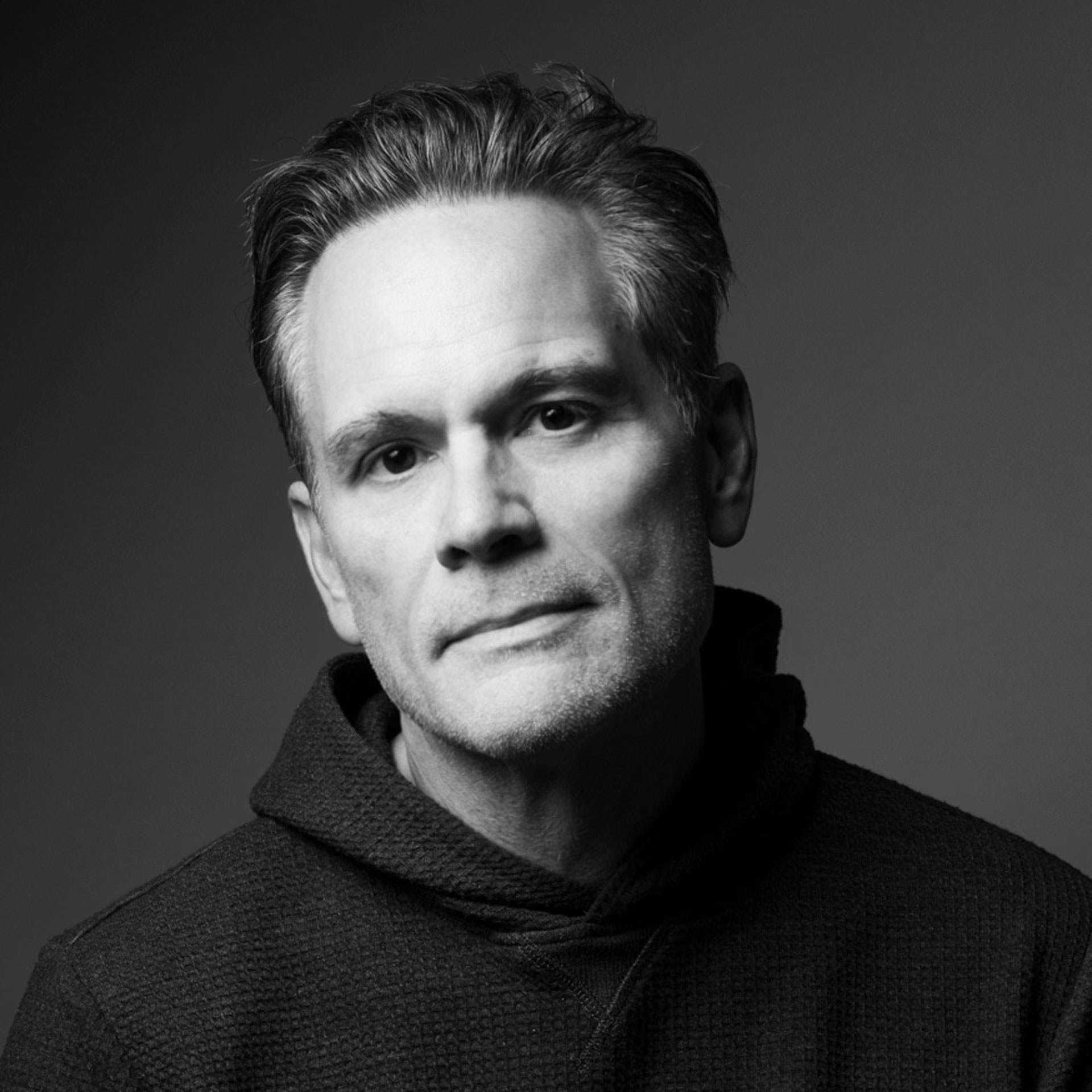
My name is Yuanfei and I’m a UX designer at Kensho Technologies, the AI innovation hub for S&P Global. I am passionate about exploring innovative ways where humans and cutting-edge technology can interact and mutually thrive. I worked on projects including a speech-to-text AI transcription tool, an AI-powered communication coach, a data platform for cancer research, and so on.
I’m drawn to product design because it perfectly blends creativity and technical thinking. I love the aesthetic aspects that make things visually compelling and the engineering that brings them to life. For me, there’s something deeply rewarding in crafting experiences that are not only beautiful but also purposefully functional. I also thrive on the problem-solving journey—from identifying user needs to ideating effective solutions.
I am a UX designer at Kensho Technologies, an AI financial company where I focus on crafting engaging and intuitive experiences for users interacting with advanced Artificial Intelligence. My work spans projects such as developing a speech-to-text transcription tool, designing benchmarks for Large Language Models (LLMs), and creating AI chatbots tailored for financial analysts.
Design is all about creating delightful experiences. Design is about crafting experiences that function well and resonate emotionally. A delightful design goes beyond aesthetics and usability; it considers the user's journey, anticipating needs and offering unexpected moments of joy or ease. It's like creating a harmonious story where every detail adds to a sense of flow and engagement.
I really admire minimalist design that conveys purpose without clutter — It’s the art of embracing simplicity while achieving a profound impact, where every element serves a function and the aesthetic remains effortlessly powerful.
A great design begins with an empathetic understanding of the user—their needs, emotions, and challenges. By deeply grasping these insights, design becomes a powerful tool to create solutions that meet practical requirements and resonate personally, addressing real needs with meaningful impact. Design by the people, for the people.
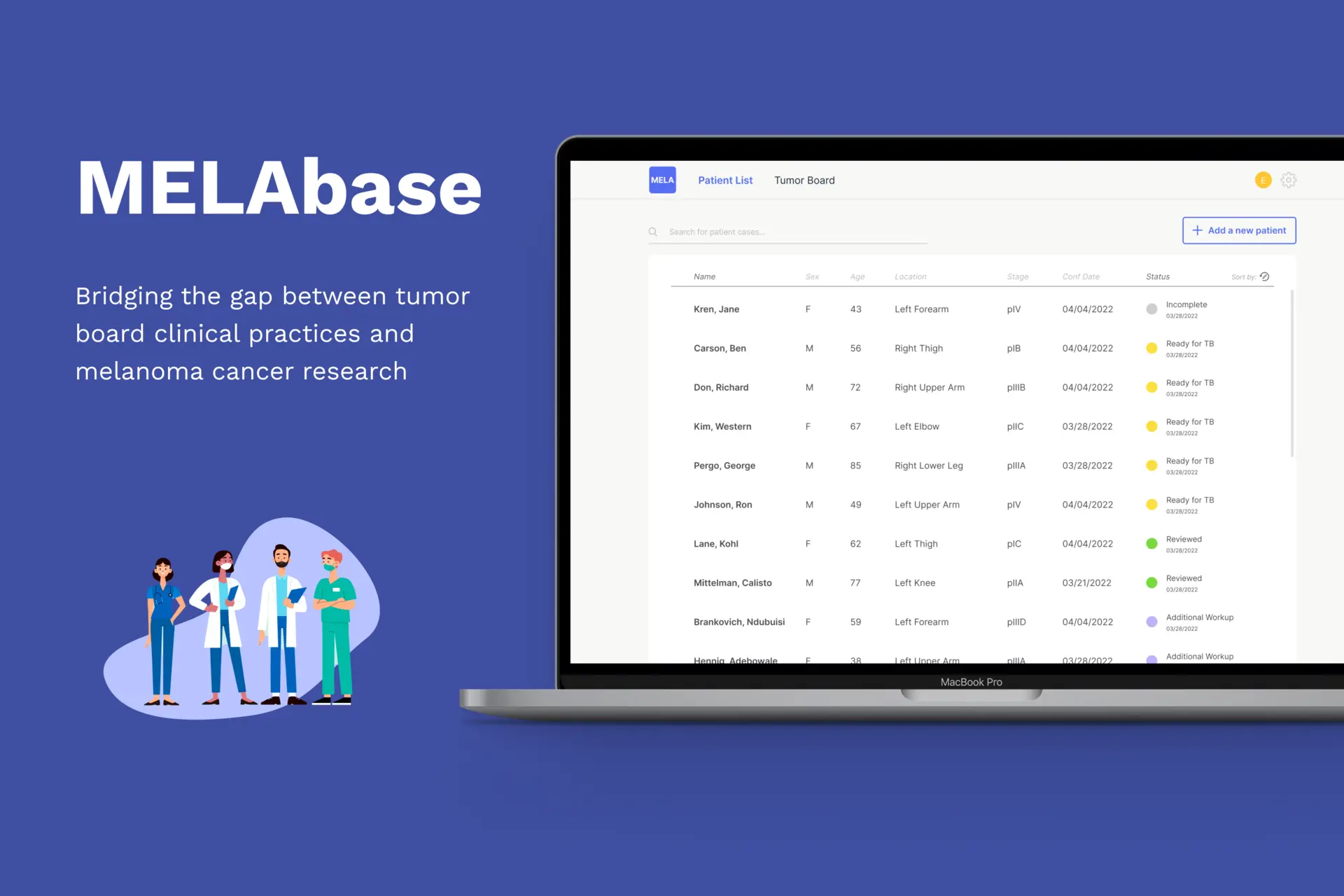
MELAbase was designed to address the real challenges faced by cancer researchers and practitioners. Through conversations with them, it became evident that scattered patient data posed significant obstacles, hindering both tumor board discussions and cancer research efforts. This inspired me to create a dashboard that centralises and streamlines patient data, to enhance patient care and advance cancer research.
My main inspiration for this design comes from modern data management dashboards like Google Analytics. My goal is to create a dashboard that is minimalistic, highly functional, and easy to navigate.
Definitely. I think what makes design so unique and vibrant is that everyone brings their distinct backgrounds and cultural heritage into the work they create. As someone born in Shanghai, China, I’m inspired by the blend of tradition and modernity that defines the city. This influence often shows up in my work, where I strive to create designs that are both timeless and innovative, honouring cultural depth while appealing to universal sensibilities.
Winning the London Design Awards has been a true highlight for me this year. It’s an incredible confidence boost, affirming that my work has meaningful value and that my ideas resonate within the design community. More importantly, this recognition fuels my passion to further develop this project, empowering women in their travels and making a lasting impact in a way that matters deeply to me.
The project I submitted to the London Design Awards is MELAbase, a database designed to streamline patient data management for tumor boards and research. With predefined data fields, it enables tumor board coordinators to efficiently input patient information without dealing with complex or lengthy forms. Its intuitive tumor board view further simplifies the organisation and adjustment of patient case discussions.
I chose to enter this project because scattered data has long been a significant challenge in healthcare, and by applying a human-centred design approach, MELAbase has the potential to alleviate this pain and provide meaningful support to those who need it most.
The main challenges were understanding the complex workflows of tumor board coordinators and transforming them into a more streamlined and efficient data entry process inside MELAbase. To tackle this, I employed various user research methods, including diary studies, artefact analysis, and user interviews, to gain a comprehensive and holistic understanding of their daily routines and tasks.
Winning this award has been a tremendous confidence boost for me, fueling my passion for creating delightful and intuitive user experiences. It’s also an exciting opportunity for me to connect and collaborate with the broader design community, opening doors for meaningful exchange and growth.
Diversity, compassion, and curiosity. I always enjoy conversations with people from our industry, as each person brings a unique perspective, a compassionate outlook of the world, and an insatiable curiosity to understand more about the world around us.
What sets my design apart from others is its user-centric approach, specifically tailored to the needs of tumor board coordinators and cancer researchers. Unlike generic dashboards, it focuses on consolidating complex patient data into a clear and actionable format, optimising workflows for real-world medical and research settings.
Its intuitive interface ensures ease of use, while specialised features, such as seamless integration with medical data systems and tools for collaborative decision-making, make it uniquely suited for improving both patient care and cancer research outcomes.
A big focus will be Human-centred AI design. As AI becomes more integrated into daily life, designers will increasingly focus on creating human-centred experiences with AI, emphasising transparency, ethics, and empathy. The role of UX designers may evolve to ensure AI interacts meaningfully and responsibly with users, blending human intuition with machine intelligence. I see this as an opportunity for us designers to take a lead in shaping the future of AI and design.
Go forth and slay! Embrace the challenge, make bold moves, and leave your mark.
ADPList is an incredible resource—it connects you with fellow professionals, offering a space to seek advice, feedback, or anything else you need. One of the greatest strengths of the design industry is its people, so don’t hesitate to reach out to other designers through platforms like ADPList or other networks. Embrace the community; it’s full of people eager to share insights and support each other’s growth.
My family. They are my best support and make me feel like I can fall safe, and thus I feel more confident to take risks and explore life. They are both caring, strong-minded and not afraid to speak up.
My key to success lies in a commitment to empathy, continuous learning, and adaptability. For design specifically, it is important to balance creativity with a deep understanding of user needs, ensuring that each solution is innovative and genuinely impactful.
Thank you again for this great opportunity. Cheers!
Read more about the interview From Childhood Creativity to Architectural Mastery: The Journey of Zi Zhuo here.