“Mini Sonata” Miniature Instruments Set | 2025 NY Product Design Awards
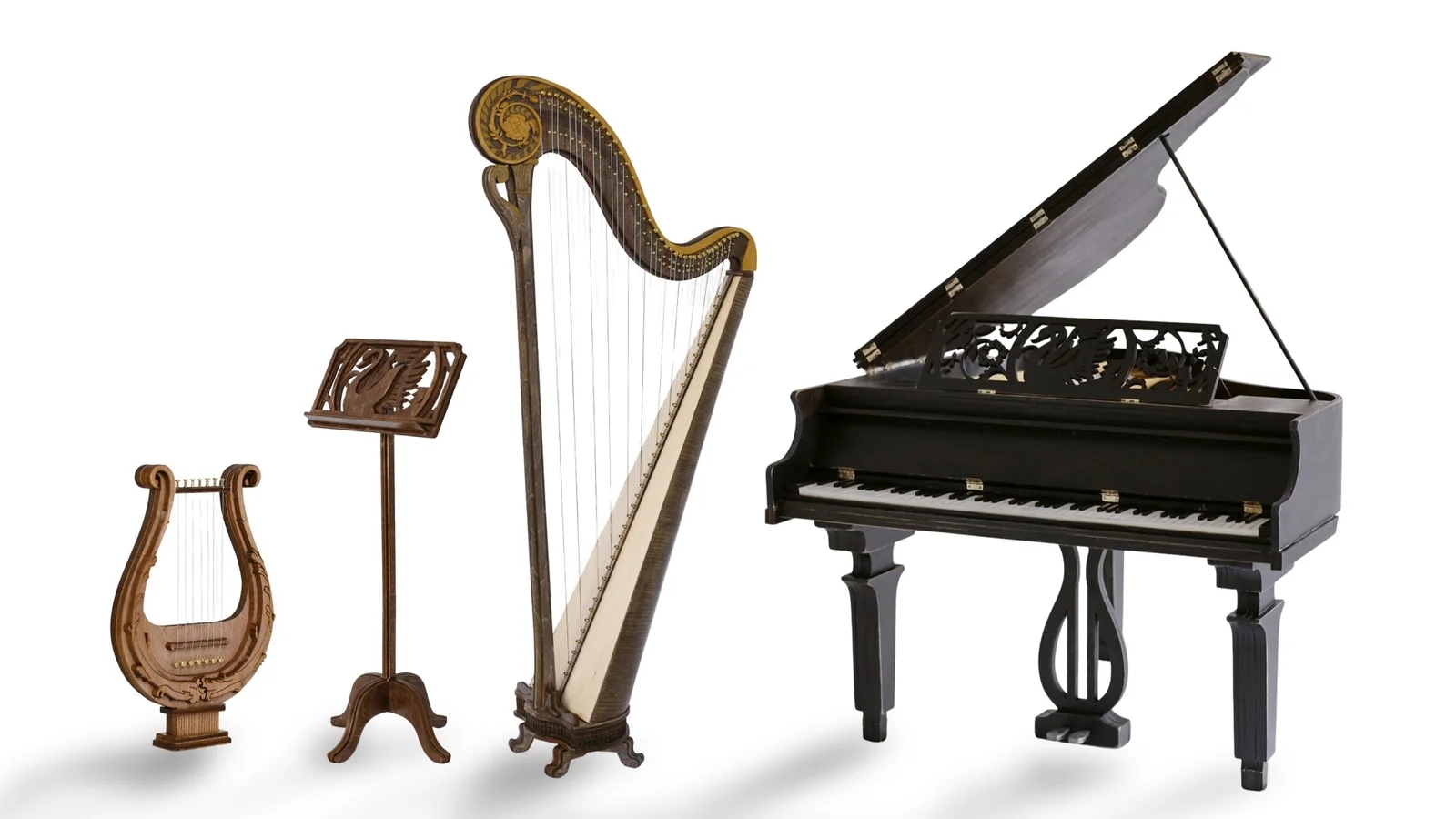
"Mini Sonata" is a captivating collection of four meticulously crafted miniature classical instruments: a lyre,...

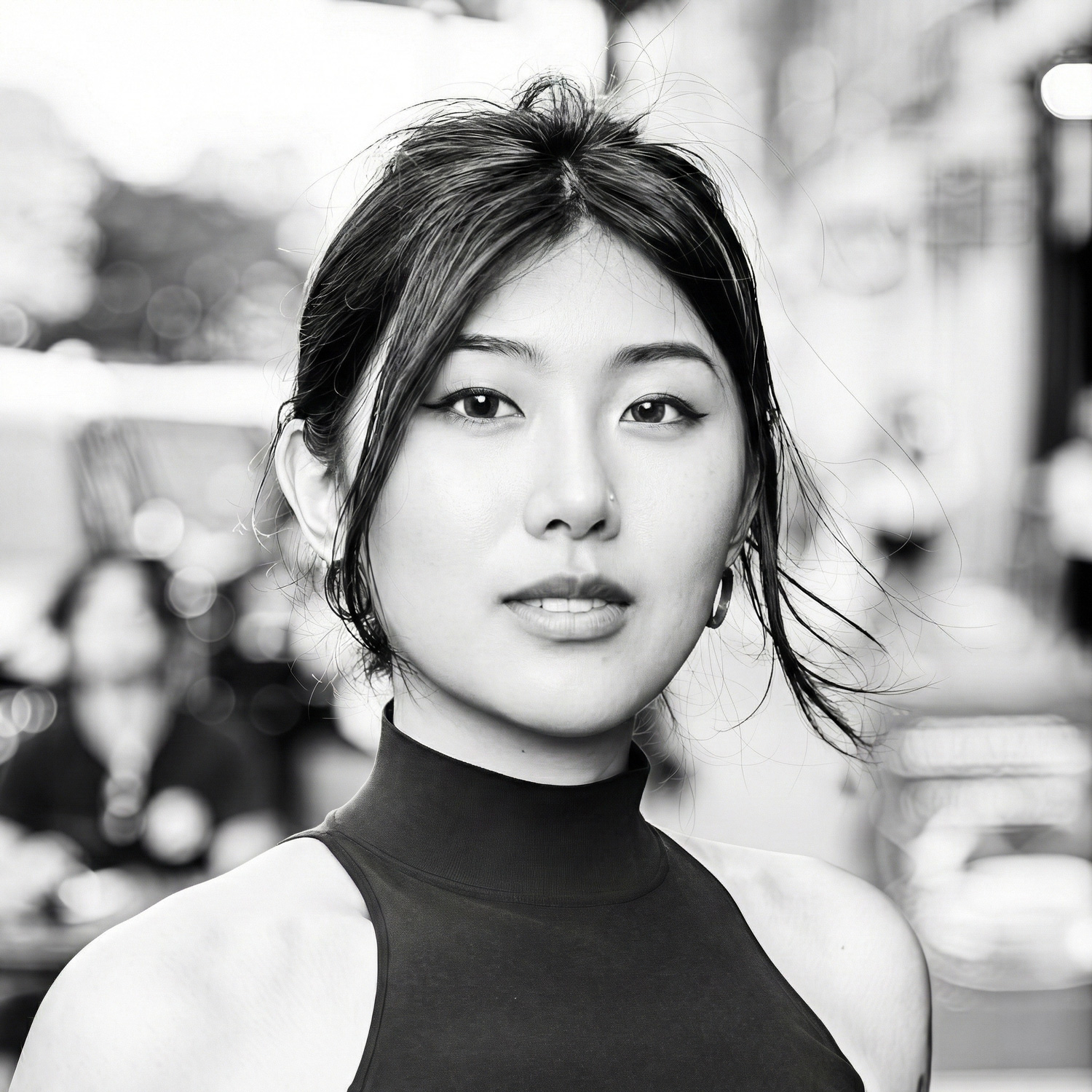
Keyue Ni is a multidisciplinary designer and handmade art creator originally from China. Her creative journey began with crafting for ball-jointed dolls and has evolved into a practice that blends aesthetic sensitivity with cross-disciplinary thinking to deliver imaginative, functional work.
I’m Keyue Ni, a student at the New York School of Interior Design and a handmade art creator from China. My journey into design began with a love for crafting props for ball-jointed dolls (BJD)—whenever I couldn’t find what I wanted in stores, I’d make it myself.
That hands-on creativity gradually grew into a deeper passion for design. I’m drawn to the idea of combining aesthetics with function, and I love using cross-disciplinary thinking to turn imaginative ideas into tangible work.
Winning the NY Product Design Awards means a lot to me. It’s not only a recognition of my work, but also an encouragement to continue creating and improving. As both a designer and a maker, this honor motivates me to keep exploring new ideas.
My miniature models have gained popularity among BJD enthusiasts and photographers across Asia, helping me build a strong social media following. Winning this award has opened the door to international exposure and allowed me to present my work beyond niche communities.
More importantly, it’s created an opportunity to connect my craftwork with my future career in interior design.
Experimentation is everything in my creative process. For example, I explored using laser cutting to design 1:4 and 1:3 scale models that can be assembled by hand. This approach adds intricate details and transforms the models into artistic home décor. Buyers can also customize and paint them, making each piece unique.
One unusual inspiration was the laser-cutting technology itself. It’s fascinating how a precise industrial tool can be used to create delicate, handmade objects full of personality.
That it takes perseverance. Turning ideas into reality often involves failure and revision. But when a piece is finally complete, that sense of achievement is beyond words.
I believe in sticking to my ideas because only by delivering work I'm proud of can I truly satisfy clients. At the same time, I value communication—understanding their needs allows me to refine my concepts and create something we’re both excited about.
The biggest challenge was ensuring the models were both visually appealing and structurally sound. I tested different wood thicknesses and bonding methods until I found the best balance between beauty and durability.
I take breaks by visiting museums, attending design fairs, or talking to friends. These moments often spark new ideas and help me see things from different angles.
I aim to merge functional design with fine craftsmanship, transforming aesthetics into something tangible. My award-winning piece pays tribute to classical musical instruments while giving users a hands-on artistic experience.
Stay true to your passion and keep experimenting. Success comes from persistence and the willingness to grow through challenges.
I would love the opportunity to learn from Philip Roberts, an American artist known for his intricate layered wood sculptures created through laser cutting. His work beautifully blends digital precision with traditional craftsmanship, resulting in pieces rich in depth and rhythm.
I deeply admire how he captures both structure and emotion in his designs, and I hope to enhance the artistic expression in my own miniature creations through insights from his approach.
People often ask when the next piece will be released. Right now, I’m focused on expanding my skills and have a few sold-out designs that I’m hoping to revisit with new ideas.
Explore more designs through the interview From Intuition to Interface: How a Cross-Disciplinary Team Designs for AI here.