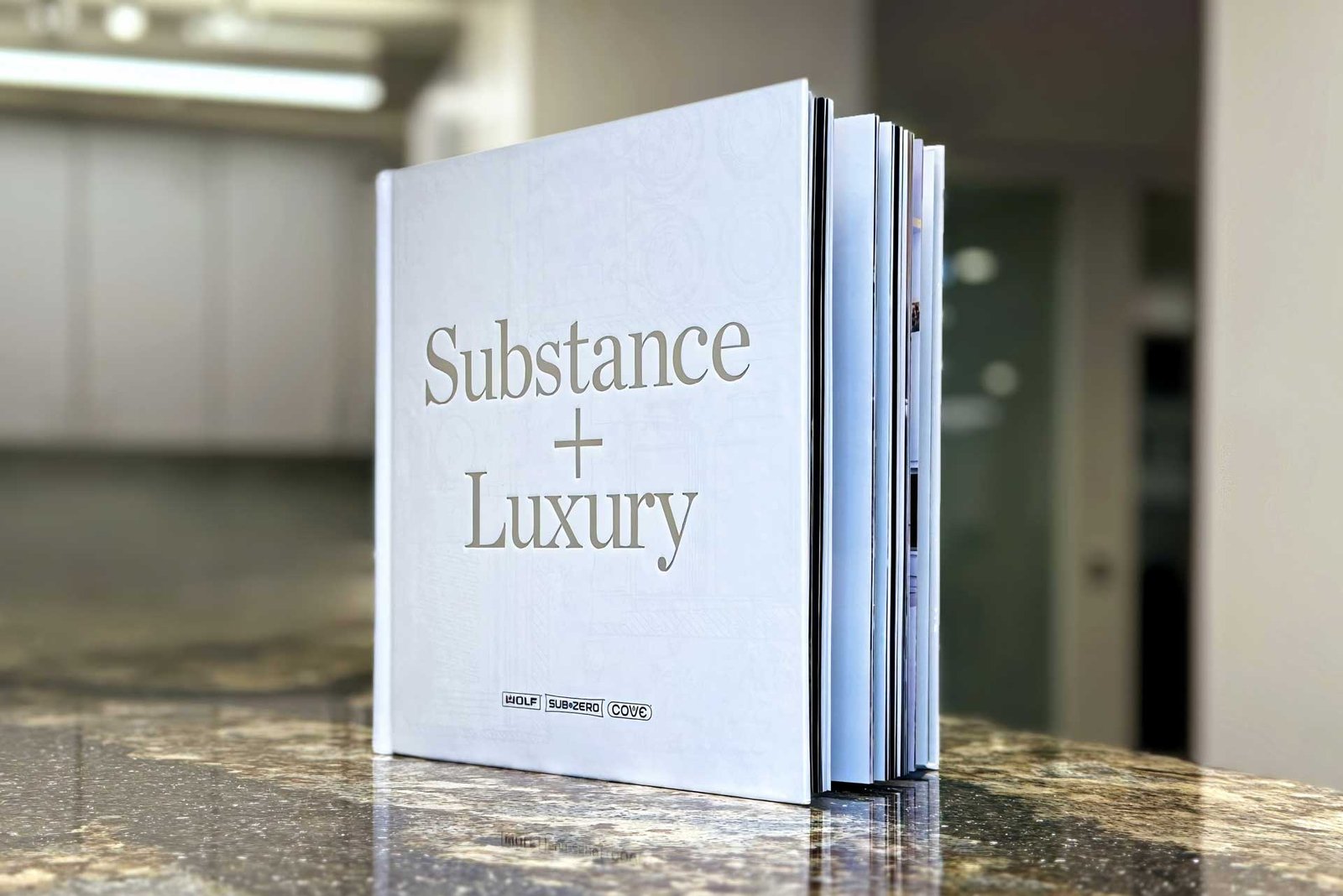
Substance + Luxury | 2024
Sub-Zero Group has trailblazed technological and design innovation in the appliance industry since its founding...
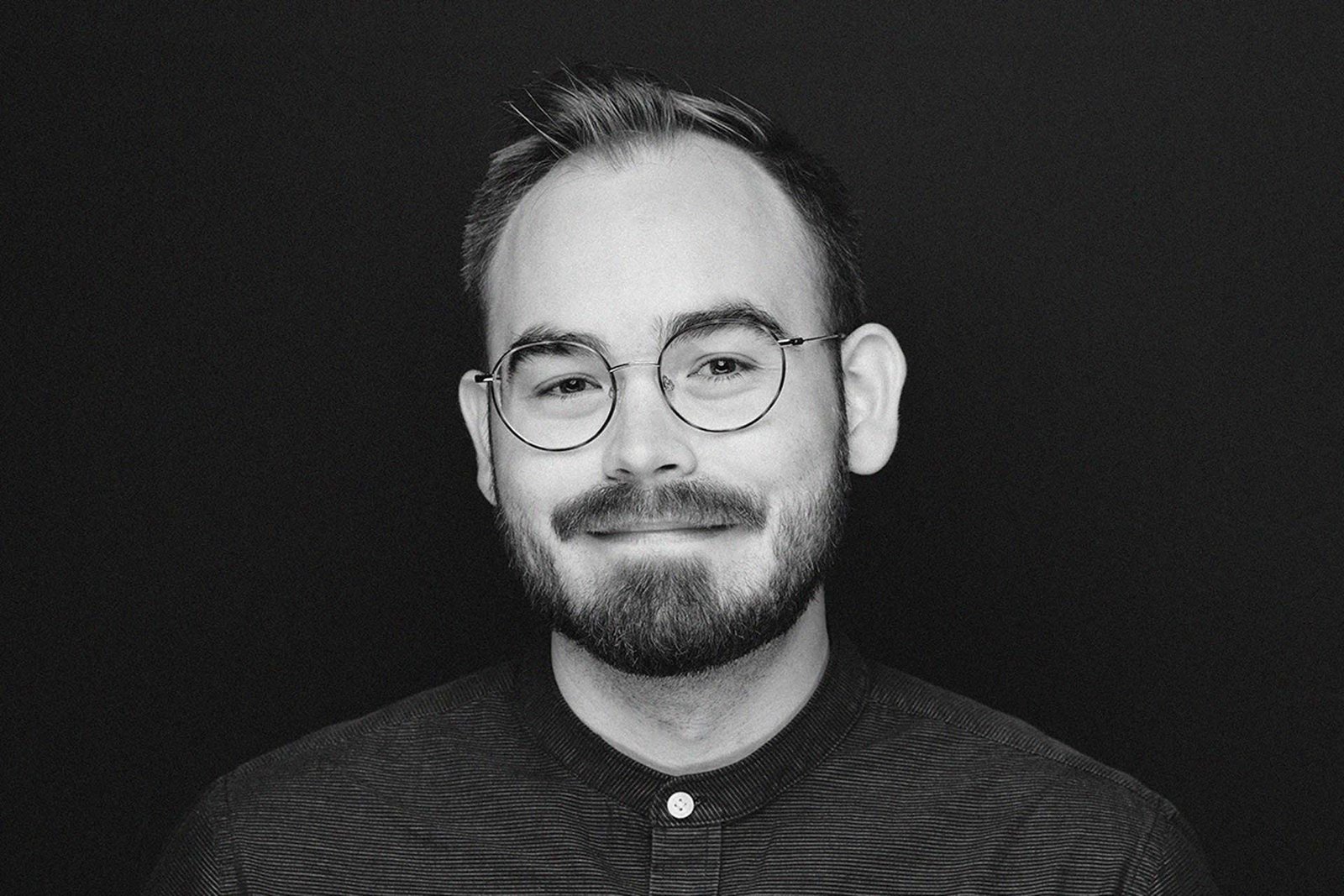
My name is Zack Hopkins, and I’m a Senior Designer at History Factory. My first exposure to the industry was through the museum world. My earliest internships and jobs supported exhibits, media and interactive exhibitions to inform and entertain.
Since then I’ve had the opportunity to work on a wide range of project types from publication and exhibit design to interactive and web-based experiences.
My parents have their roots in theater arts, stagecraft and acting. My father went into video production, working in the documentary industry in Washington, DC for decades. I knew from a young age that I would walk a similar path, using my creativity to inform and inspire. It’s what gets me up in the morning.
I’ve been with History Factory for nearly nine years, which speaks to the uniqueness of History Factory as an agency. We bring a perspective to our work that can’t be found anywhere else—one of authenticity, heritage, and academic rigor.
It’s the core of who we are and why we have the privilege of working with some of the world’s largest and most respected brands.
Creativity governs our ability to take in information—visual assets, business goals, historical context—and distill all that into an idea that communicates. And then do it again. And iterate. And expand.
If art is in the eye of the beholder, and art is a part of design, then creativity in design facilitates our ability to step back from the work and look at it from different perspectives.
There are few entirely new ideas, and every design problem has multiple solutions. Some solutions are elusive, but often the most appropriate solution is right in front of you.
In either case, creativity comes in the expression. If it makes you think or feel something new, then it is a creative idea.
John Maeda said, “Design is a solution to a problem. Art is a question to a problem.” Design is synonymous with creative problem-solving, and the problem is always at the center of my design thinking.
When I approach a project, I consider the different ways I can use the resources available to me to achieve the functional goals of the project, while also delivering a product that is as visually refined and beautiful as possible.
My favorite part of the process is the messy middle between the idea and final product. Taking a rough idea and working with my team to distill it into something coherent and appropriate to the task at hand is the most fulfilling experience.
I am always working to achieve a style that is purposeful but clever, minimizing arbitrary details while still keeping an expressive overall look.
At History Factory, heritage is what we do. Whether we’re working with a brand that is 200 years old or 10 years old, their heritage and cultural relevance are the primary lens through which we approach creative work.
It is validating. The title of this publication, Substance + Luxury, is so relevant to the work we’ve been doing since 1979. We’re all about combining substantive and meaningful content with a refined design approach that enhances the expression.
Substance + Luxury achieves all of the core characteristics we strive for at History Factory. To name a few: academic rigor, historical insights with strategic value, style & substance, surprise & delight, extendable & infinitely useful.
The catalyst for the project was the opening of the L.C. Bakke Innovation Center building at Sub Zero Group’s Fitchburg campus. Our publication is conceptually centered around physical locations at the campus and beyond, but we began the project with few actual photos of the new building.
Not only did the production require a three-day photoshoot to document newer aspects of the campus experience, we also had to think of creative ways to stage and visualize areas of the Innovation Center that were not entirely completed.
The fact that it was this project that we chose to enter—and that it was recognized—says a lot about the quality and personality of work we will continue to strive for.
The creative industry is unique in that it supports every other industry, and skillsets are transferrable across the industry. We can work in any field, in any medium, and there’s always something new to explore.
The creative economy in the United States is one of the world’s largest and most varied, and Washington, DC is an underrated creative hub city. This means that the field is locally dense. There’s a lot of work, making it much more difficult to stand out. At the same time, the creative industry in the U.S. offers a tremendous variety in terms of occupation and a ton of inspiring peers.
Over the last couple of years, the hottest trend has been toward emerging technologies and the influence of AI. At History Factory, we’re betting on a continued countertrend toward brand authenticity, community, and the appeal of nostalgia.
We’re fully onboard with evolving technologies, but we’re always thinking about how they can be leveraged to support brand authenticity rather than detract from it.
Ask a lot of questions. Of your professors, mentors and colleagues, but also your clients. Creativity isn’t born out of thin air, it is fueled by information. For industry veterans, asking questions is not only a way to understand a problem but also to elicit understanding from others.
There’s so much you can learn from fellow creatives and others outside of your field. A multidisciplinary understanding of the creative industry and the industries you’re supporting will only strengthen your work.
My guilty pleasure typeface is Hobo. I can’t think of another decorative typeface with the level of longevity and ubiquity it has achieved, all while maintaining a relatively low level of negative attention from the creative industry (Papyrus and Comic Sans make great shields). If you don’t know it by name, you’ll know it when you see it.
My family, especially my siblings in recent years. Seeing them succeed down completely different paths inspires me to make the most of my own.
The key to my success is and always has been balance. Take wins as they come and don’t dwell on the failures. Reflect on them and let them go. As a creative, it can be difficult to "turn it off” and enjoy things outside of work. It’s essential to allow that part of your brain time to rest. Otherwise, you run the risk of burnout.
I tend to go on, so I’ll spare you any additional anecdotes!
Read more about this interview with Yuan-Sheng International Performing and Artistic Co., Ltd, the Gold Winner of the 2024 MUSE Creative Awards.