Space V : A Space-Vending System for Everyday Wellbeing | 2023
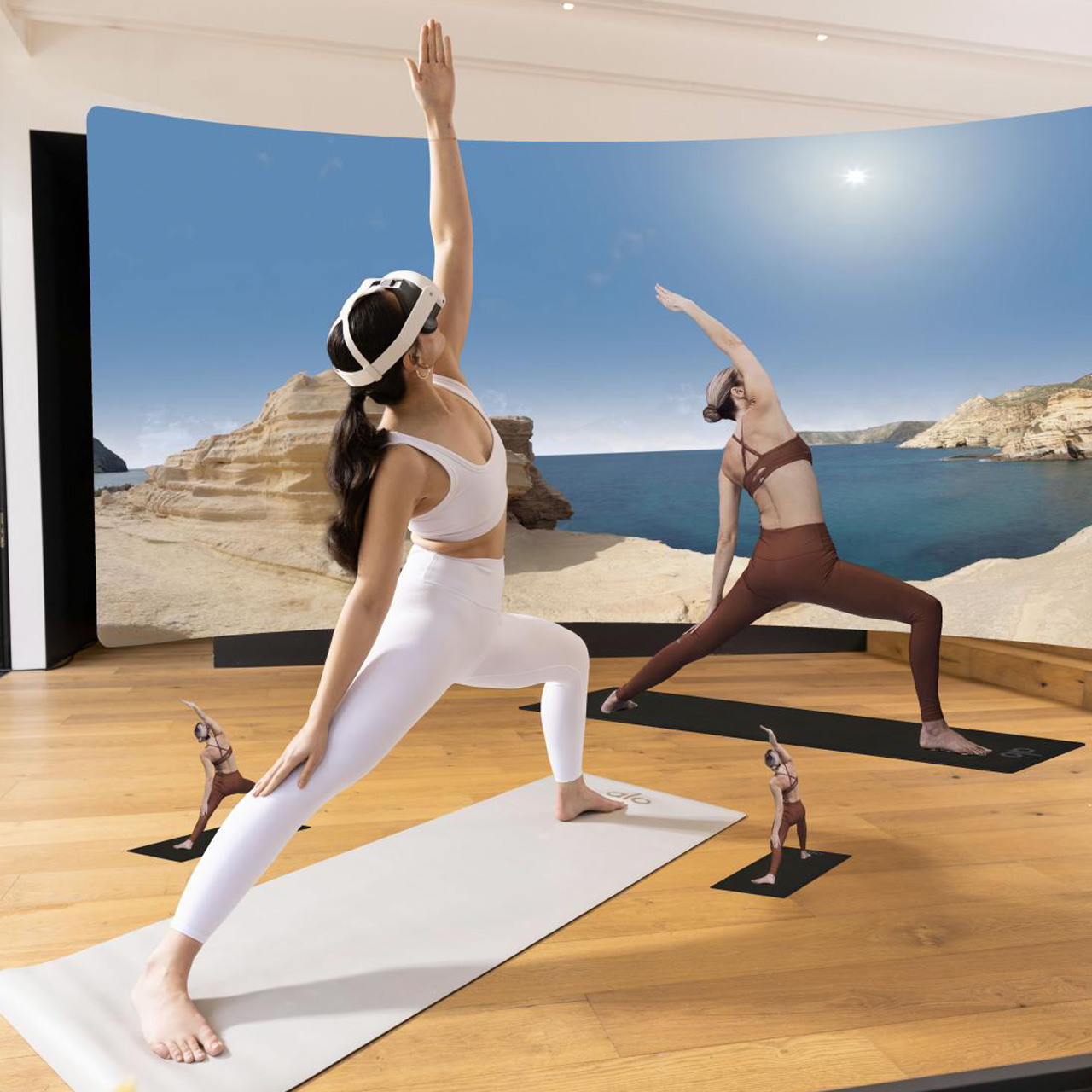
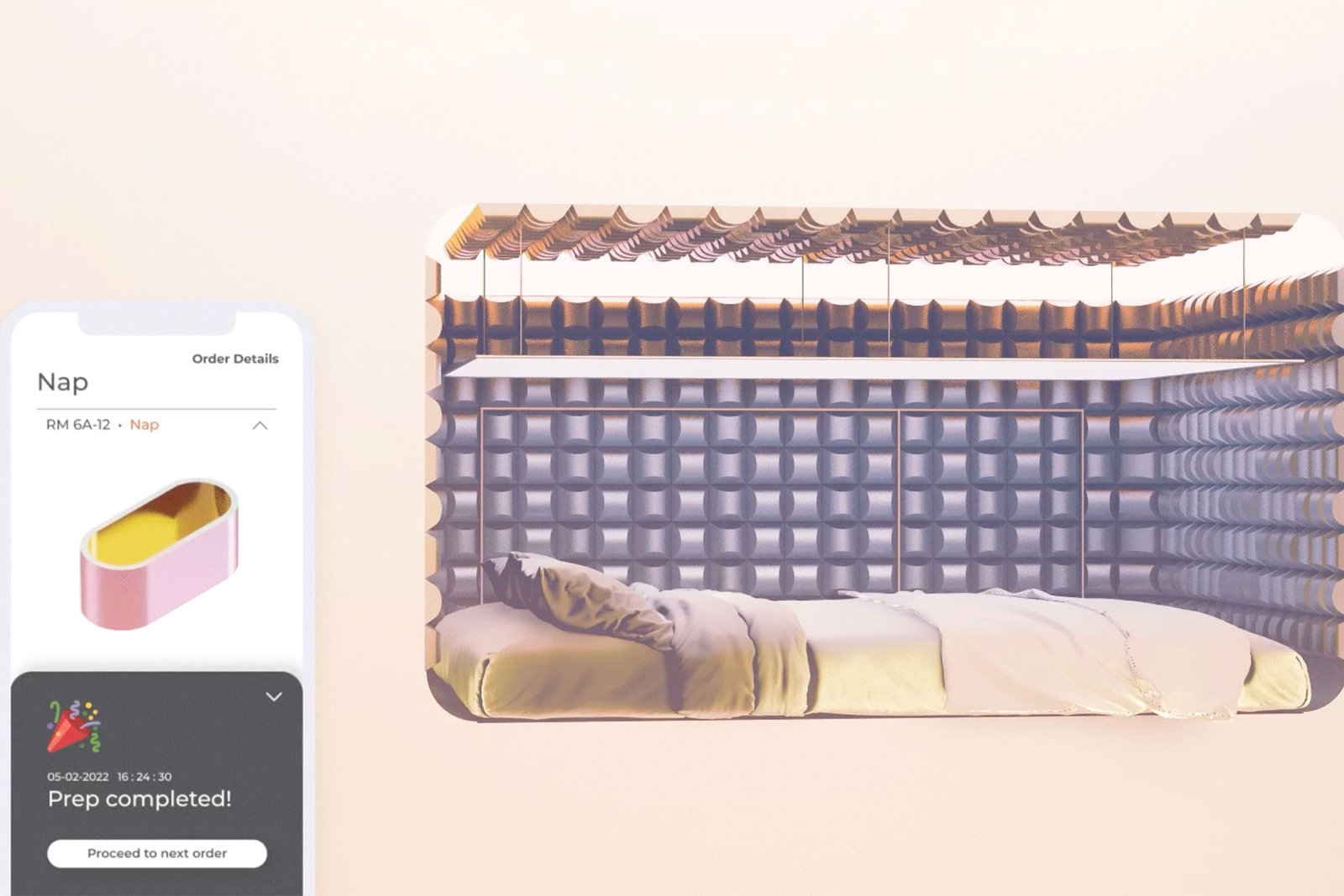
Space V : A Space-Vending Urban Destination for Everyday Wellbeing. The project investigates the commodification...
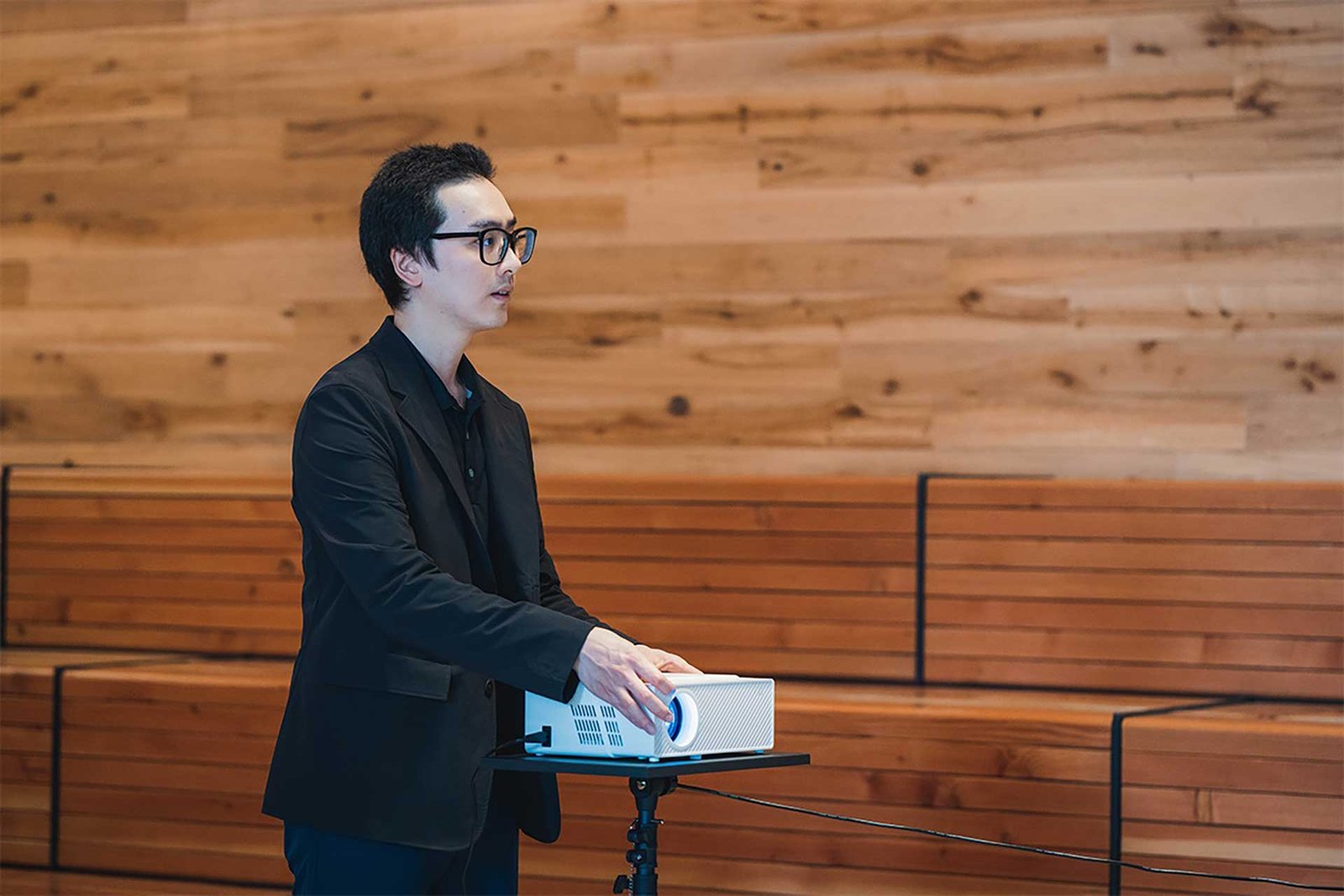
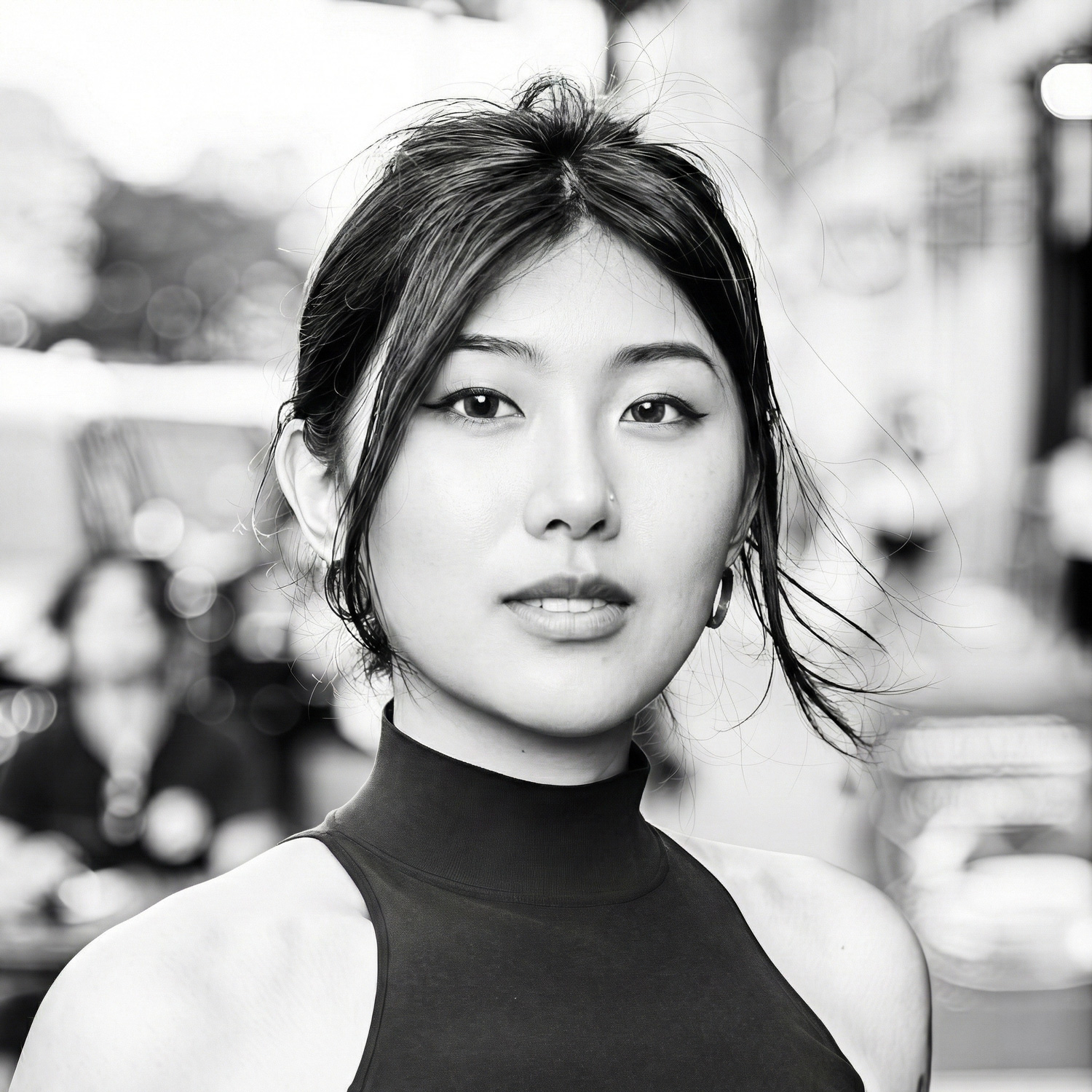
My name is I-Yang Huang and I am a designer with a background in architecture. I have a strong passion for technology and its role in shaping our physical environment. Currently, I am intrigued by the emerging field of multimodal experiences and how it presents new opportunities and challenges for designers.
Through my upbringing and education in diverse places, I have learned to approach design with a pragmatic and inclusive mindset, always considering the needs and perspectives of different users and stakeholders. I believe this open-mindedness and adaptability are crucial in the rapidly changing world of design.
As soon as I realized the potential of design to answer numerous questions in the world and create opportunities, I knew I want to become a creative. Every technological breakthrough generates a long list of problems that require rethinking and redesigning to improve user experience and engagement.
I am an architectural designer based in Boston, designing life science buildings for companies. In addition to my work in architecture, I enjoy exploring a variety of multidisciplinary projects in my leisure time, including AI, data analysis, new experiences enabled by technological advances and culinary experimentation. I have also collaborated on several side projects with a partner.
The meaning of creativity is multifaceted but I believe it can be roughly defined in three keyways. Firstly, creativity entails the ability to conceptualize and develop innovative design solutions to complex problems.
Secondly, it involves a keen sensitivity to identify emerging design challenges and opportunities, and to proactively propose solutions.
Finally, creativity also encompasses the skill to communicate and visualize design solutions effectively using compelling narratives and impactful visualizations.
In my view, creativity transforms into design when the concept reaches a level of development where it becomes tangible and realistic. This threshold is defined by the point where it is difficult to distinguish between an idea and a viable solution that can be implemented, regardless of its scale. At this stage, the design has evolved to a level where it is grounded in reality and poised for further refinement and development.
I believe that design is fundamentally a process of problem-solving, and the first step in this process is to identify the problem. In today's complex and rapidly-evolving world, many problems defy easy classification and cannot be addressed through traditional disciplinary knowledge alone. This underscores the importance of interdisciplinary collaboration which can provide new perspectives and fresh approaches to tackling complex challenges.
One aspect of design that I find particularly exciting is identifying emerging needs and demands. We are currently experiencing a period of rapid and transformative technological advancement, which is fundamentally reshaping people's lives and expectations. Each new breakthrough generates fresh opportunities to design and innovate in response to emerging needs and changing preferences.
I would describe my creative style as one that seeks to identify innovative and practical solutions to complex problems. I find great satisfaction in developing ideas that are both original and highly effective that can address all aspects of a problem in ways that are unprecedented. To achieve this, I draw on a range of interdisciplinary insights and tools, combining creativity with strategic thinking and analytical rigor.
Growing up in different places exposed me to a diverse range of cultural heritages. This experience taught me the importance of being open-minded in my creative process and avoiding assumptions. I have learned to approach each new challenge with a fresh perspective and to draw on a wide range of cultural influences to develop innovative and context-sensitive solutions.
I see this recognition as a validation of our multi-disciplinary approach and a confirmation of our assumptions. By drawing on diverse perspectives and tools, we were able to develop innovative solutions that addressed complex challenges in ways that surpassed traditional disciplinary boundaries. I am proud of our team's collaborative efforts and look forward to building on this success in future projects.
We chose to submit our project to the MUSE Creative Awards using Space V as we believe that complex societal issues cannot be addressed by a single design invention. Rather, they require a comprehensive and integrated approach that incorporates multiple design interventions at various scales.
By leveraging Space V, we were able to showcase the breadth and depth of our design process and demonstrate how our project represents an innovative and holistic solution to a complex challenge.
This project posed a significant challenge as it required us to draw on knowledge and expertise from a wide range of fields. We had to find ways to integrate vastly different perspectives and disciplines into a cohesive and meaningful whole in order to achieve the desired outcomes.
This involved identifying common ground, establishing shared goals, and leveraging our team's diverse skill sets to create a truly multi-disciplinary approach that delivered innovative and impactful results.
Winning an award provides a significant boost to our team's confidence and motivation, and it establishes a strong foundation for future submissions. Throughout the process of applying for awards, we also found opportunities to further develop and refine our project.
By receiving feedback from experts and judges, we were able to identify areas for improvement and gain new insights that helped us to advance our creative and technical capabilities. This iterative process not only strengthened the quality of our work, but also enhanced our team's ability to tackle future design challenges with greater skill and confidence.
I am drawn to several aspects of design, including publicity, problem-solving, and longevity. Firstly, I appreciate the impact that design can have in terms of generating publicity and promoting awareness of important issues.
Secondly, I enjoy the process of problem-solving that is inherent in design, as it requires both analytical and creative thinking to arrive at effective solutions.
Finally, I value the longevity of design, as it has the potential to endure and make a lasting impact on individuals and communities over time. By designing with an eye towards longevity, we can create solutions that not only meet immediate needs but also anticipate future challenges and evolve to meet changing circumstances.
I believe that the design process is a multifaceted and sometimes contradictory amalgamation of diverse skill sets, knowledge, and experiences. However, this diversity of perspectives and inputs is precisely what allows us to develop comprehensive and relatively unbiased solutions that draw upon past achievements from a range of cultural backgrounds.
By embracing the complexity of the design process and leveraging diverse expertise, we can achieve a more holistic and effective approach to problem-solving.
I anticipate that the emergence of AI will bring about significant changes to the design process, fundamentally transforming how designers envision and deliver their work. With access to vast amounts of text and graphic knowledge, designers will be able to leverage generative AI to realize concepts and solutions at an unprecedented scale.
However, this will require us to develop new working methods and approaches that depart radically from our current practices. While it is unclear whether this will lead to a reduction in the number of designers, or an increase in design opportunities, one thing is certain: the impact of AI on the field of design will be both dramatic and far-reaching.
My recommendation for submitting successful designs is to focus on developing and refining the narrative. It's important to clearly communicate the entire design process, from problem identification to solution generation.
A successful submission should explicitly articulate the problem being addressed, the designer's approach, and the solution they have developed. This level of clarity and detail will help showcase the design's strengths and differentiate it from other submissions.
Behance is an excellent platform for designers to showcase their work and share their creative process. It's also an excellent resource for inspiration and discovering new design trends.
However, it's essential to approach it with an open mind and explore without any preconceived ideas or specific goals. By doing so, you can stumble upon innovative and unique design concepts that you might not have thought of before, allowing you to push the boundaries of your own creativity.
Science fiction can offer a glimpse into possible futures and push the boundaries of what we think is possible. It can be a great source of inspiration for designers who want to think beyond what currently exists and imagine new possibilities.
I am particularly inspired by the manga artist Makoto Yukimura and his work Planetes. This manga envisions a future occupation that collects debris in outer space to prevent damage to spaceships and satellites. The depiction and imagination are so vividly accurate that it feels like reading a history book from the future.
Yukimura's ability to blend imaginative concepts with real-world problems has inspired my vision of good design being something on the threshold between imagination and reality. His work has taught me the importance of pushing boundaries and exploring new possibilities in design, while also staying grounded in real-world problems and practical solutions.
Patience and persistence are essential in the design process. It's important to take the time to test and iterate on concepts to ensure that they are the best they can be. Rushing through the design process often leads to suboptimal results.
By taking the time to explore and refine ideas, designers can create truly innovative and effective solutions.
Designers should strive to find their own unique position and style, rather than simply replicating past successes. It's important for designers to keep up with contemporary trends and technologies, and to explore new approaches to design that are relevant to the current era.
At the same time, designers should also be mindful of the broader historical context and be open to incorporating elements of the past into their work in new and innovative ways. Ultimately, successful design is about finding a balance between tradition and innovation, and developing a personal style that reflects both individual creativity and an awareness of broader cultural and technological trends.
Read more about this interview with Tiange Wang, the Gold Winner of the 2023 MUSE Creative Awards.