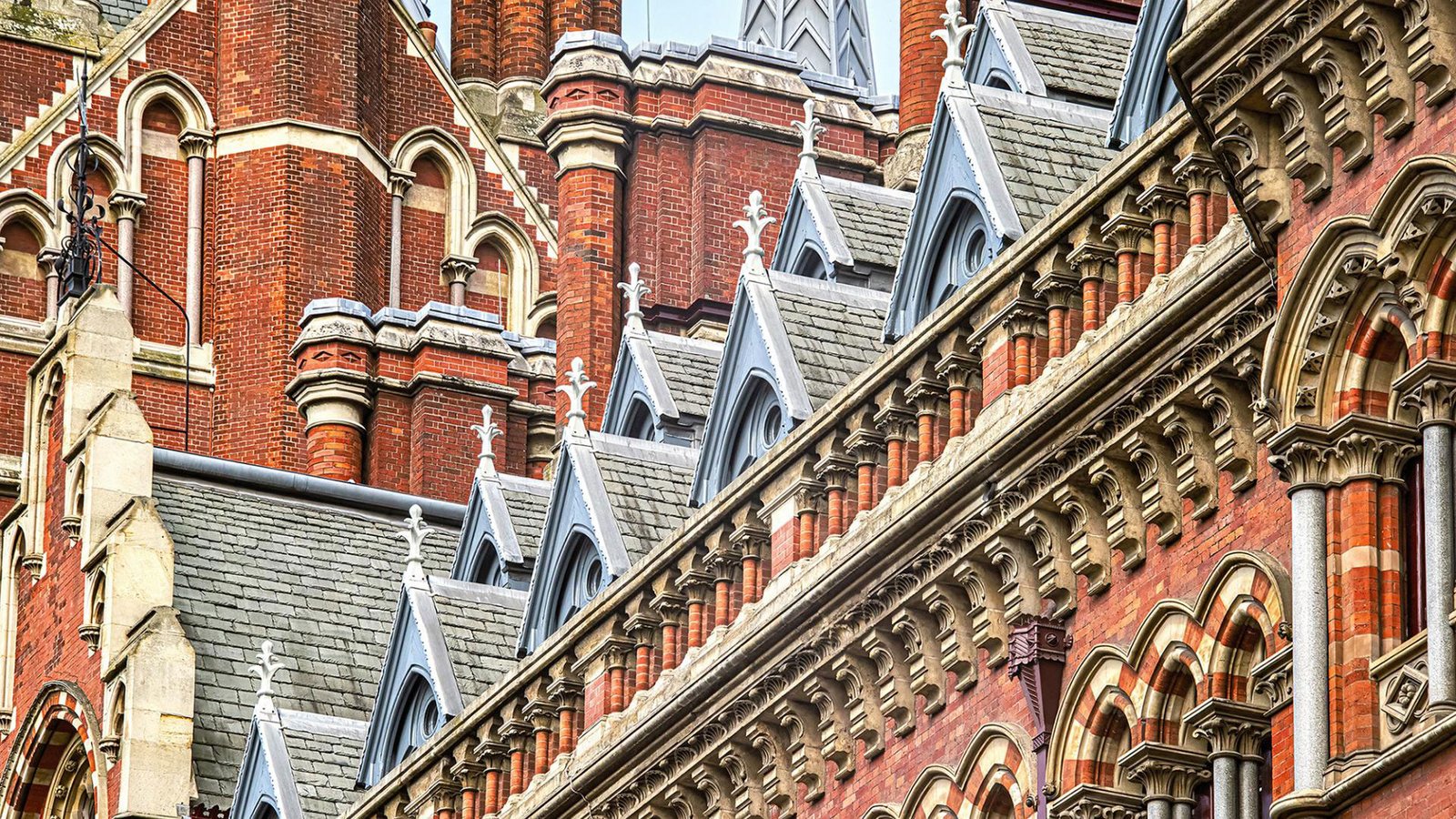
St. Pancras Roof | 2023
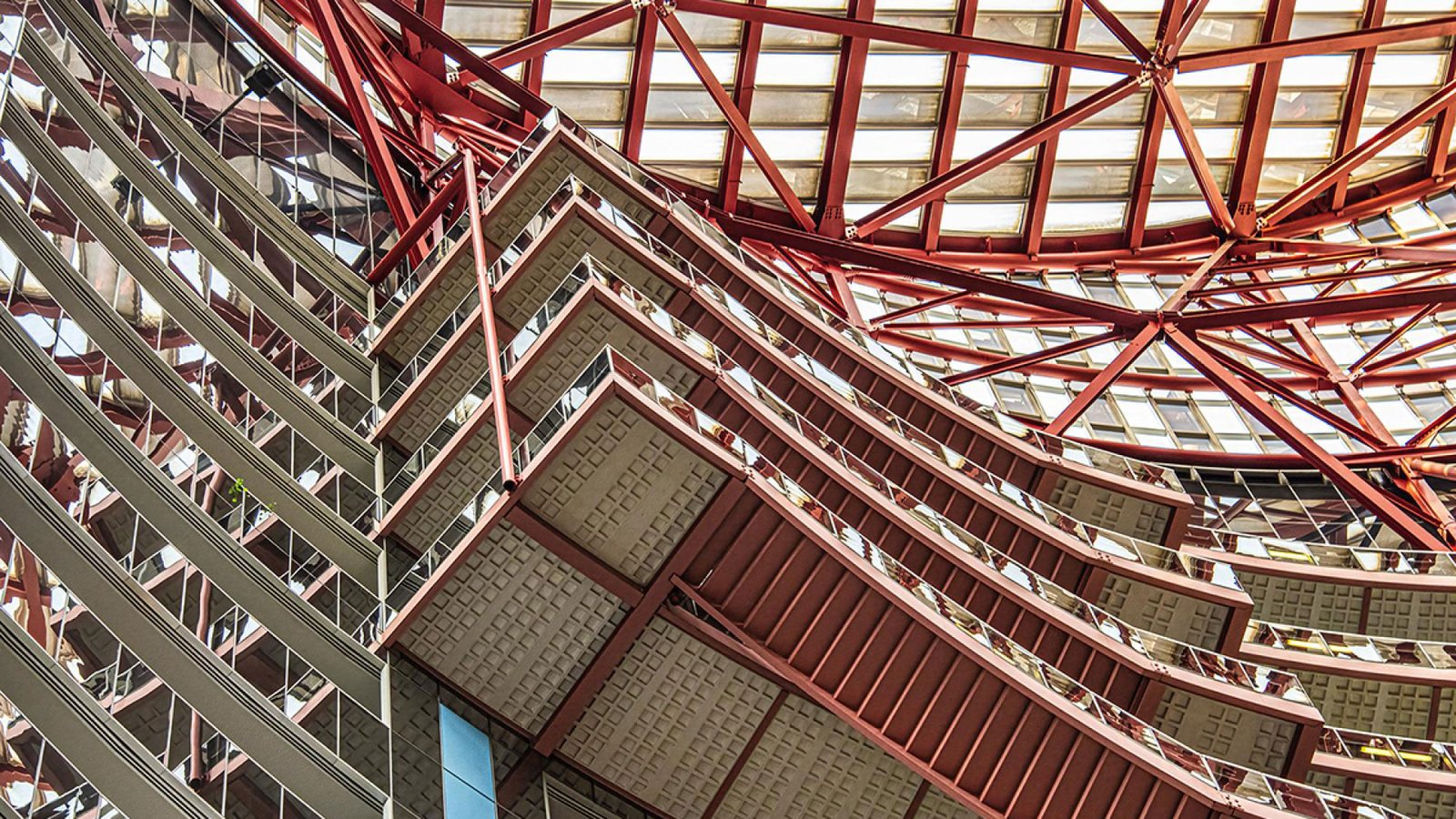
St. Pancras Station, London, England ...(Read more at MUSE Photography Awards)
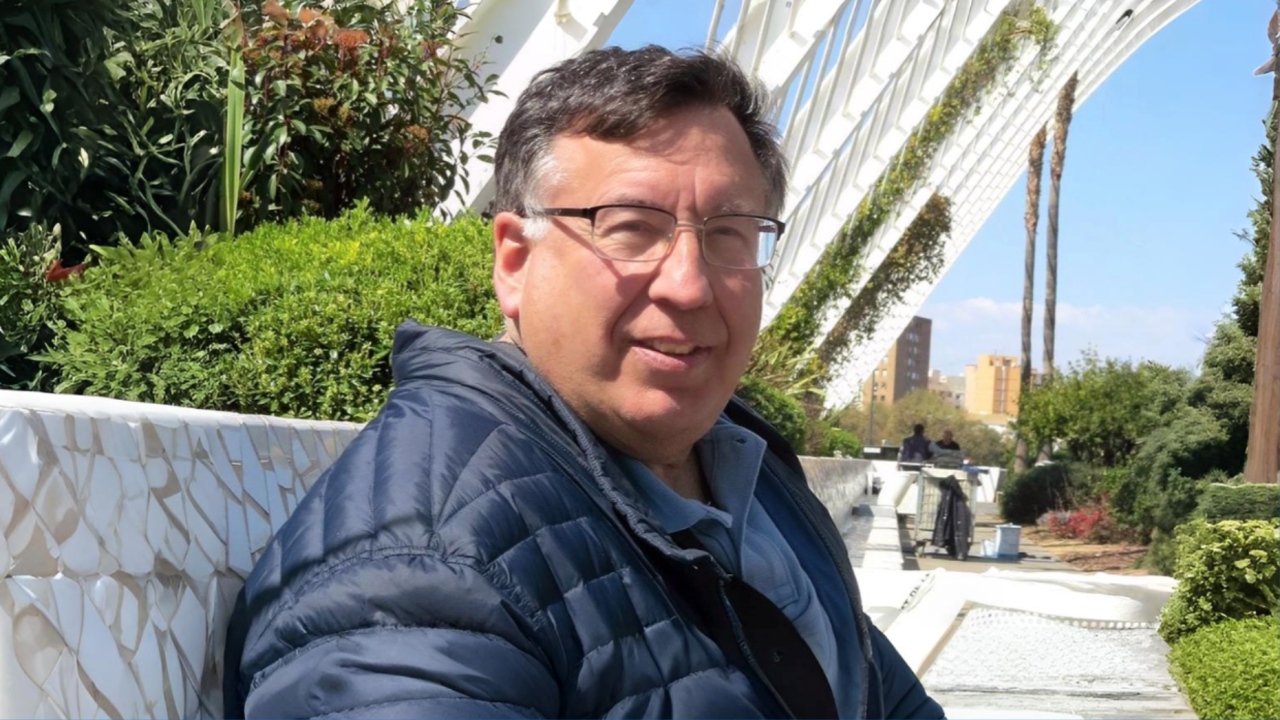
I’ve been interested in photography since I was young. But I was also always interested in building and making things which led to an interest in architecture. By training and professional licensure, I am an architect. When I was a freshman in college, I took an art history course, and the photos of the buildings captured my imagination. I started taking photographs of buildings in order to build up my own personal library of visual data of/about architecture.
Eventually, when I started teaching, it was important for me to develop and generate my own visual materials. I am currently the Founding Director Emeritus and Professor at the School of Art + Design in the Hillier College of Architecture and Design at the New Jersey Institute of Technology (NJIT) where I teach design studios, a course about architecture in motion pictures, and photography and imaging.
I did not study photography, I studied architecture at both the undergraduate (Columbia) and graduate (Harvard) levels.
My first shots of any value were flowers at my home and animals in the Bronx Zoo in New York. I started seriously taking architectural photographs on a trip to England and I remember taking photos of Chiswick House, a Palladian villa designed by Lord Burlington in 1725.
My equipment has varied over the years, starting with a Kodak Brownie Reflex when I was (very) young after which I moved up to a Brownie Starmite and then Instamatic. My first SLR was a Canon FTb which I used for years.
Jumping ahead, I have been using a Nikon D810 full frame DSLR and an APS-C mirrorless, Sony a6500. I usually travel with two lenses for each camera – a typical “all-in-one” zoom and a good very wide angle zoom (important for my architectural photography/interiors).
I think the first time artists and art historians referred to my photos as art (rather than as mere documentation) was when I started looking at my work a little differently and in a more expansive manner.
I remain in constant awe and admiration of the physical beauty and artifacts created by our species. Great architecture and examples of design inspire me. I do my best to highlight and sometimes isolate the design principles and elements present that make something beautiful. I look for different perspectives.
I try to show others the beauty that is around us and that reflects the best of human creativity. I also use my photos as illustrations for the various design courses I teach which lead me to take certain types of photographs.
Color. Composition. Passion.
It is a validation that my photography has been recognized by professionals as art and having value. Even more significant (to me), this is the third consecutive year I’ve won a “Category of the Year” award – two in architecture and one in fine art (with an architectural subject) which is incredibly rewarding.
The subject is a detail of St. Pancras station in London that fills the frame with a maximalist look at repeating forms, shapes, and patterns within a limited color palette.
For the first time in 40 years as a teacher, I will be taking a sabbatical to specifically work on photography. Working in a polytechnic university required me to show others that my work has received third party validation. The MUSE Photography Awards was an important part of that process.
There are two groups of individuals. Photographers Julius Shulman and Ansel Adams provided inspiration. But architects who were teachers and/or employers were at least as important as a source of inspiration getting me to really see what was out there and to be able to photograph.
Those individuals include Urs Gauchat, Robert. A.M. Stern, Moshe Safdie, Michael McKinnell, and Eugene Santomasso. Taking photographs with Steve Zdepski was also inspirational. And I am always inspired and challenged by the new and creative talents I see in my students.
I was told by Robert Stern that whatever I do should be professional and executed with the highest standard of care – and to always look for opportunities and be ready for publication.
Know your subject. I am a much better photographer of architecture because I am an architect and love architecture. I suspect I would have a different take on photographing flowers if I were a horticulturist or botanist rather than looking at plants as architectonic objects.
Find something you like to photograph and find your own voice, something that moves you and appeals to you. Carry your camera with you. Be conscious of Ansel Adams’ statement “You don’t take a photograph, you make it” and recognize that capturing data in the field on sensors is only one part of the process. It’s critically important to understand all the parts of the process of making photographs.
I teach at a university. Staying current and up to date is part of the job – in whatever field or area I work. In fact, that is often what draws people to teaching at a university, especially a research university like mine (NJIT).
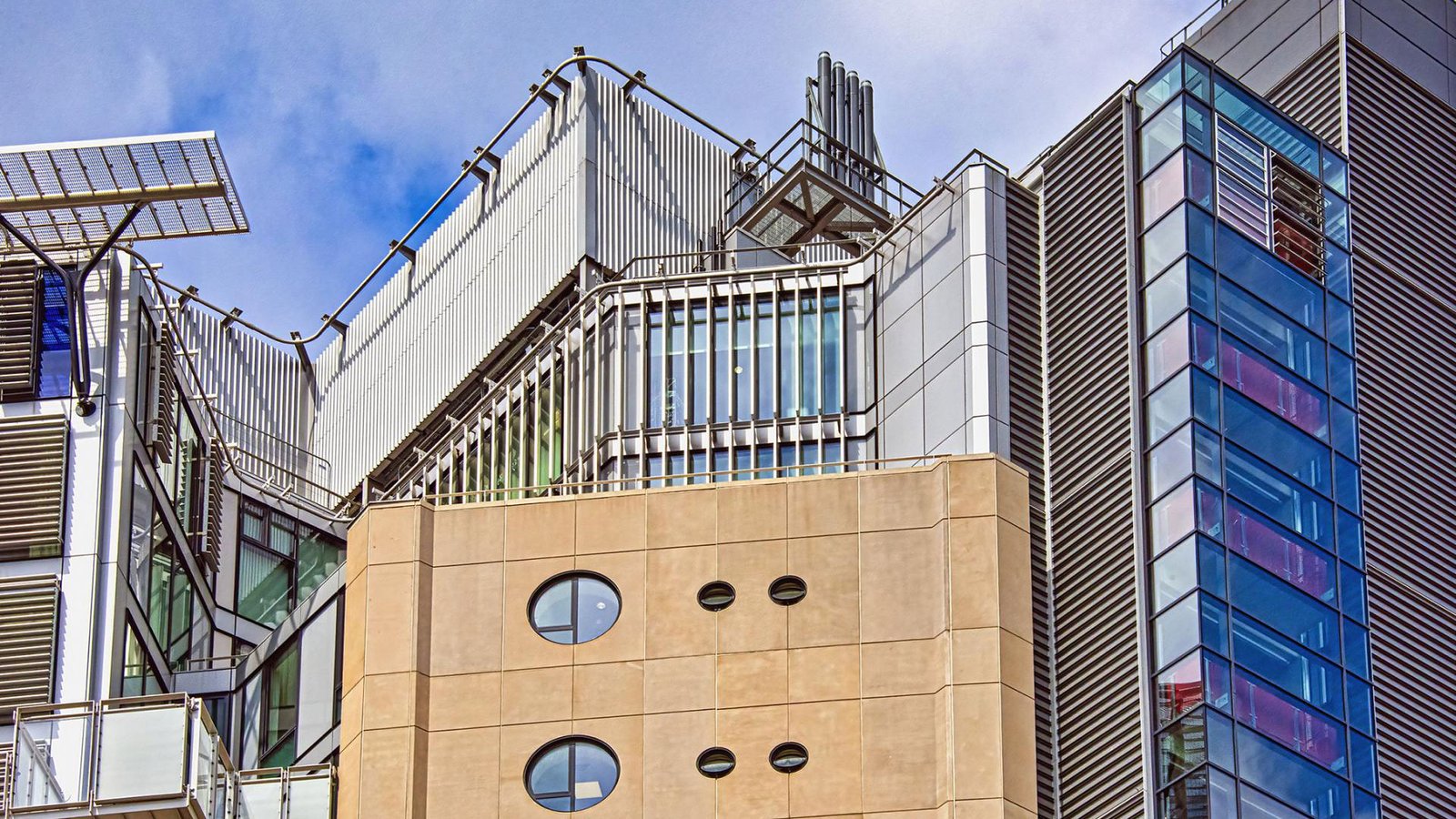
Read more about this interview with Judith Kuhn from Germany, the Photographer of the Year from the 2023 MUSE Photography Awards.