
Design & Inspiration
Balancing Function and Feeling with Mobili Fiver’s Ronny Gobbo
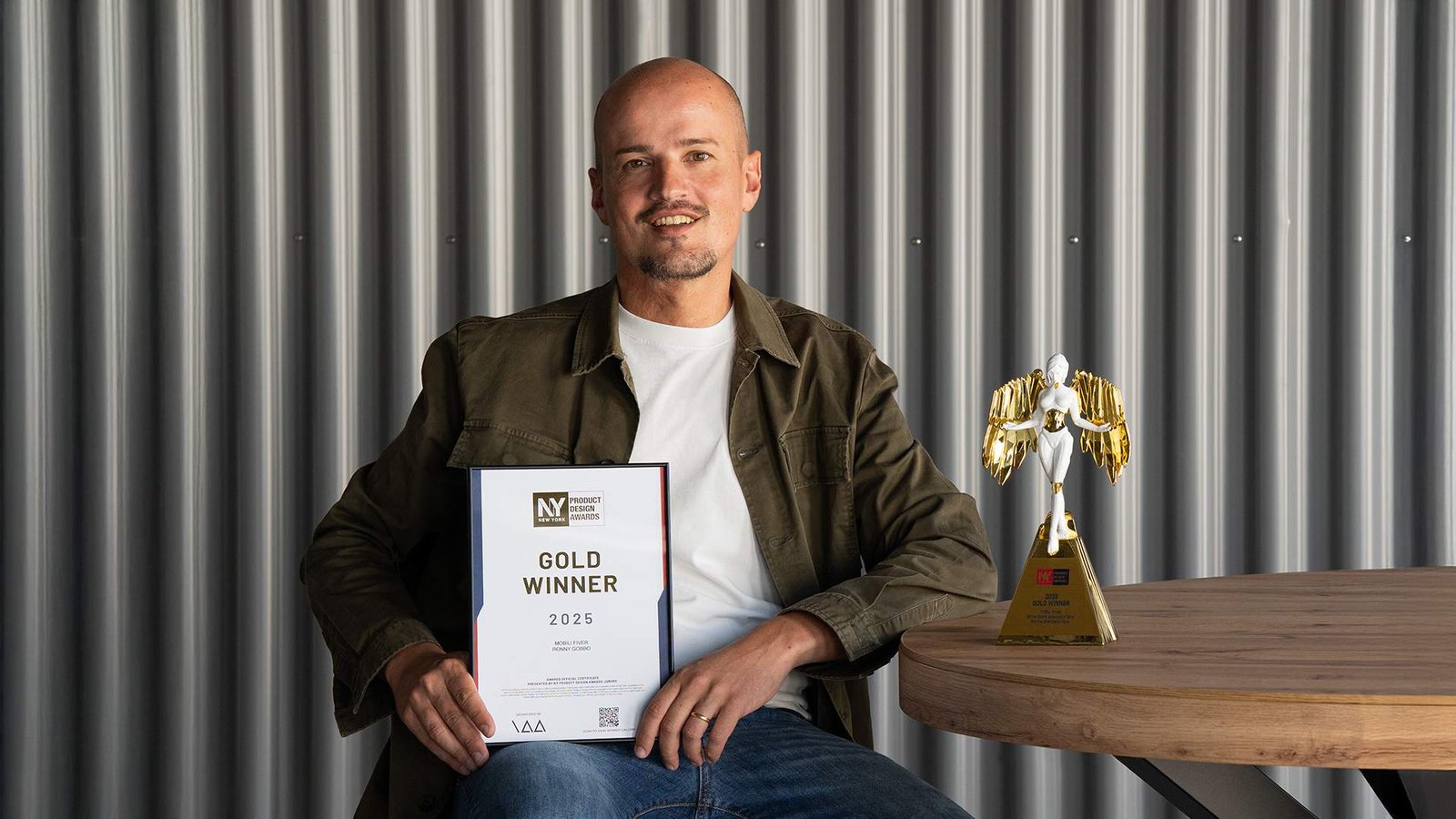
Ronny Gobbo
Ronny Gobbo is the CEO and designer of Mobili Fiver, where he draws on a lifelong connection to craftsmanship to create furniture that quietly enhances everyday life. His hands-on approach, rooted in curiosity and iteration, has shaped products like the Emma table, where elegant design meets practical transformation.
Thank you! I’m Ronny Gobbo, CEO and designer at Mobili Fiver. Design has always been part of my DNA—I grew up surrounded by craftsmanship and creativity. What inspired me to pursue design was the opportunity to shape how people live and interact with their spaces. I believe that good design is a quiet partner in our daily lives, improving how we feel and function without calling attention to itself.
Being recognized by the NY Product Design Awards is an incredible honor. It validates our commitment to creativity, quality, and thoughtful innovation. It’s also a sign that our work resonates globally, and that fuels our drive to keep pushing boundaries and crafting designs that truly matter to people.
This award has had a powerful impact. It elevated our visibility and credibility, not only within the design community but also with our customers. It has already sparked new conversations and collaborations, encouraging us to continue delivering bold, elegant, and functional pieces. It’s a morale boost for our entire team—a reminder that our dedication pays off.
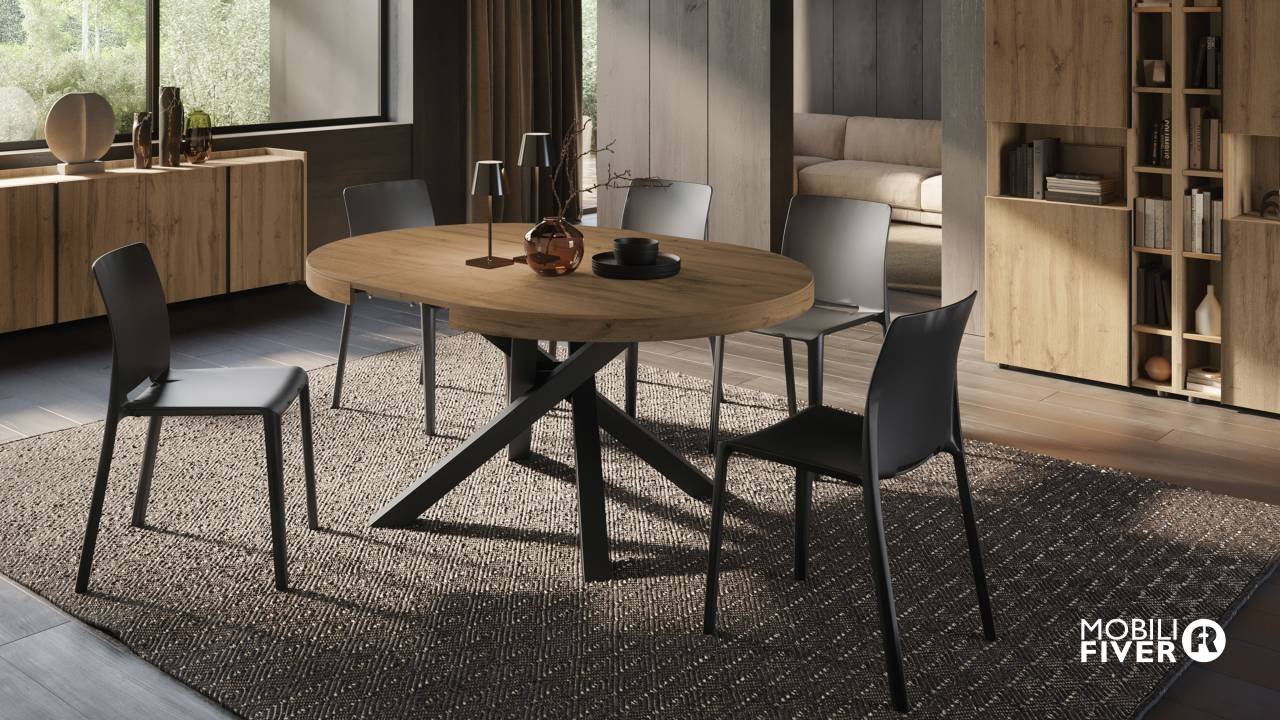
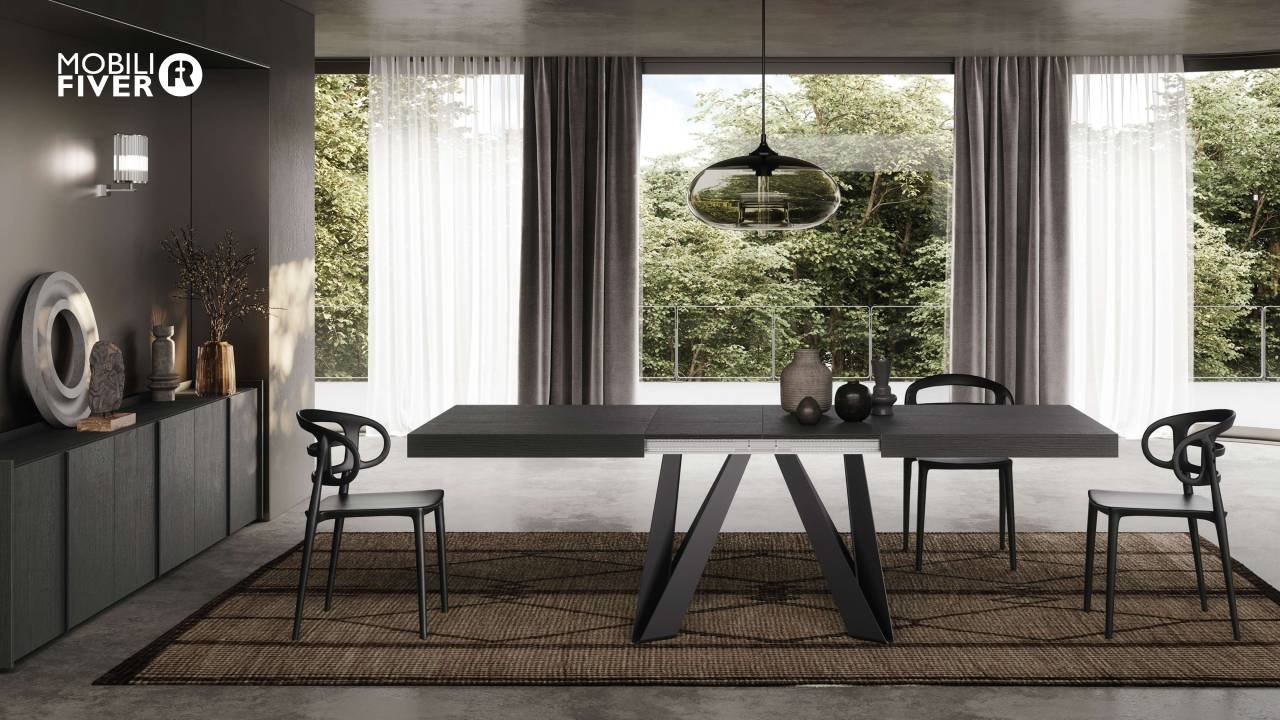
Experimentation is essential. For example, with the Emma table, we explored dozens of prototypes to perfect the mechanism that allows for its transformation. Through trial and error, we found a solution that was both beautiful and surprisingly simple for the user, proof that persistence and curiosity often lead to elegant results.
One of the most unusual and meaningful sources of inspiration was a tree. Observing its structure—how it anchors deeply in the ground yet extends freely upward—gave us insight into how to balance solidity and lightness. That natural elegance influenced the way we designed the base of one of our tables, creating something that feels both grounded and dynamic.
That design is not just about how something looks—it’s about how it works. It’s a journey made of research, iteration, and testing. Good design is invisible when it works perfectly, and that perfection takes time, feedback, and a deep understanding of the user’s needs.
It starts with listening. I work hard to understand the client’s objectives and then propose solutions that meet those needs while remaining true to the core of my design philosophy. I see it as a conversation, not a compromise—where both visions evolve and strengthen each other.
One key challenge was achieving the right balance between aesthetic and utility. With the Romina table, we had to ensure its striking silhouette didn’t hinder its functionality. We overcame this by involving users early and often, through real-world testing and feedback loops. That collaboration across design, engineering, and marketing was vital to refining the final product.
When I hit a block, I disconnect. I take a bike ride, spend time in the mountains, or listen to music. That space gives my mind a chance to wander—and often, the solution appears when I least expect it.
Empathy, sustainability, and honesty. I want my designs to be intuitive and inclusive, and I believe they should respect the environment. Growing up in a family business taught me the importance of making things that last, both physically and emotionally.
Stay humble, stay curious. Keep learning, and don’t fear failure—it teaches you more than success ever will. Surround yourself with people who challenge you. And always, always design for the user, not for your ego.
I would choose Renzo Piano. His work combines architectural precision with poetic vision. What I admire most is his ability to create spaces and objects that feel human, harmonious, and respectful of their surroundings. He proves that design can be both technically complex and emotionally moving.
“What do you want people to feel when they use your designs?”
My answer: I want them to feel that someone thought of them. That the design understands their needs, fits their life, and brings a quiet sense of joy to everyday moments.
Winning Entries
Gallery
Read about How Daria bond II Was Built | Pooya Zonooz Shares His Take here.

Latest Posts

Maxim Hair Restoration Is Shaping a New Era of Personalized Hair Re...
SEPTEMBER 30, 2026
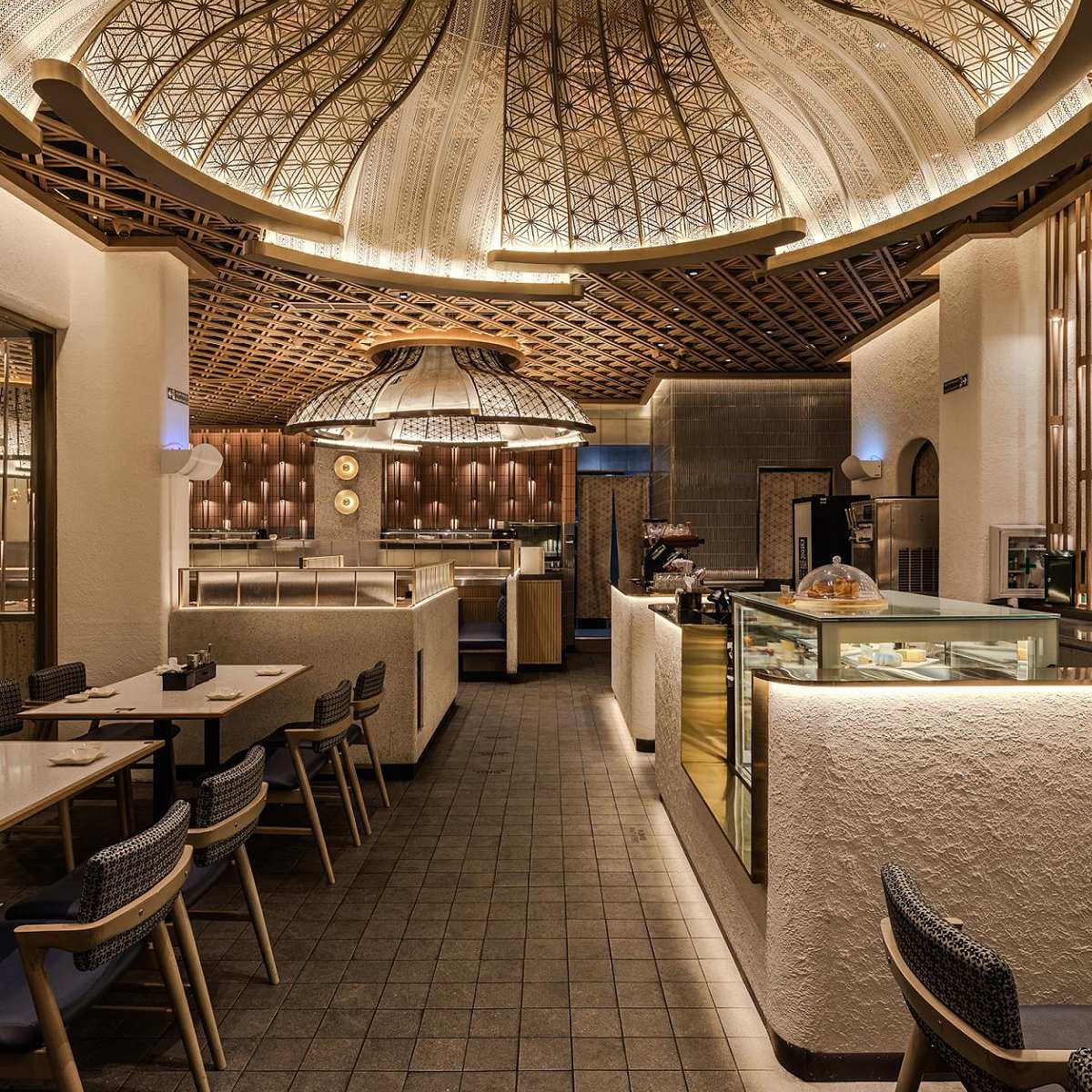
MoMo.Co.,Ltd. Creates a Refined Dining Environment for Sushi Tei Jawa
SEPTEMBER 28, 2026

2026 Global Photography Awards Reveals Photographers of the Year an...
SEPTEMBER 25, 2026

How Many Awards Should You Enter? (Strategy Guide)
SEPTEMBER 23, 2026
Interactive Light Installation: Before Fish Become Birds Creates a ...
SEPTEMBER 22, 2026
Creative vs Effectiveness Awards | Key Differences Explained
SEPTEMBER 21, 2026

Tonic DNA Brings Highmark’s (un)Hungry Community Story to Life Thro...
SEPTEMBER 17, 2026

Marketing Awards for Startups | Small Business Awards Guide
SEPTEMBER 16, 2026

National Geographic, SDRATS & CICC Capture Life at the Yellow River...
SEPTEMBER 16, 2026

2027 French Design Awards Opens Global Entries for Design Excellence
SEPTEMBER 15, 2026



IAA GLOBAL AWARDS
MUSE Awards
Vega Awards
NYX Awards
TITAN Awards
- TITAN Business Awards
- TITAN American Business Awards
- TITAN Property Awards
- TITAN Women in Business and Leadership Awards
- TITAN Health Awards
- TITAN Innovation Awards
- TITAN Brand Awards