In Between? | London Design Awards
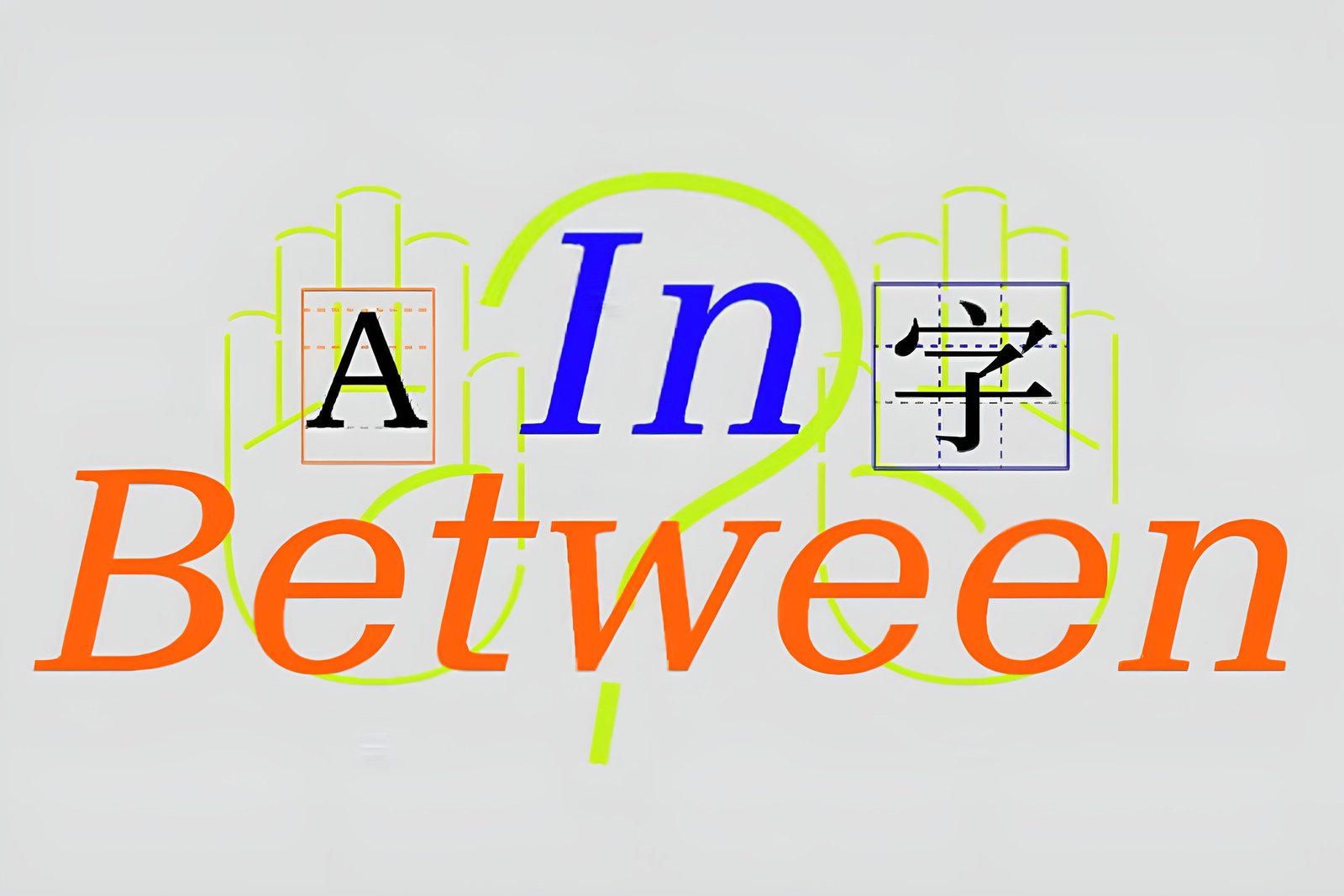
'In Between?' is a digital interactive projects that study two completely different culturally driven visual...
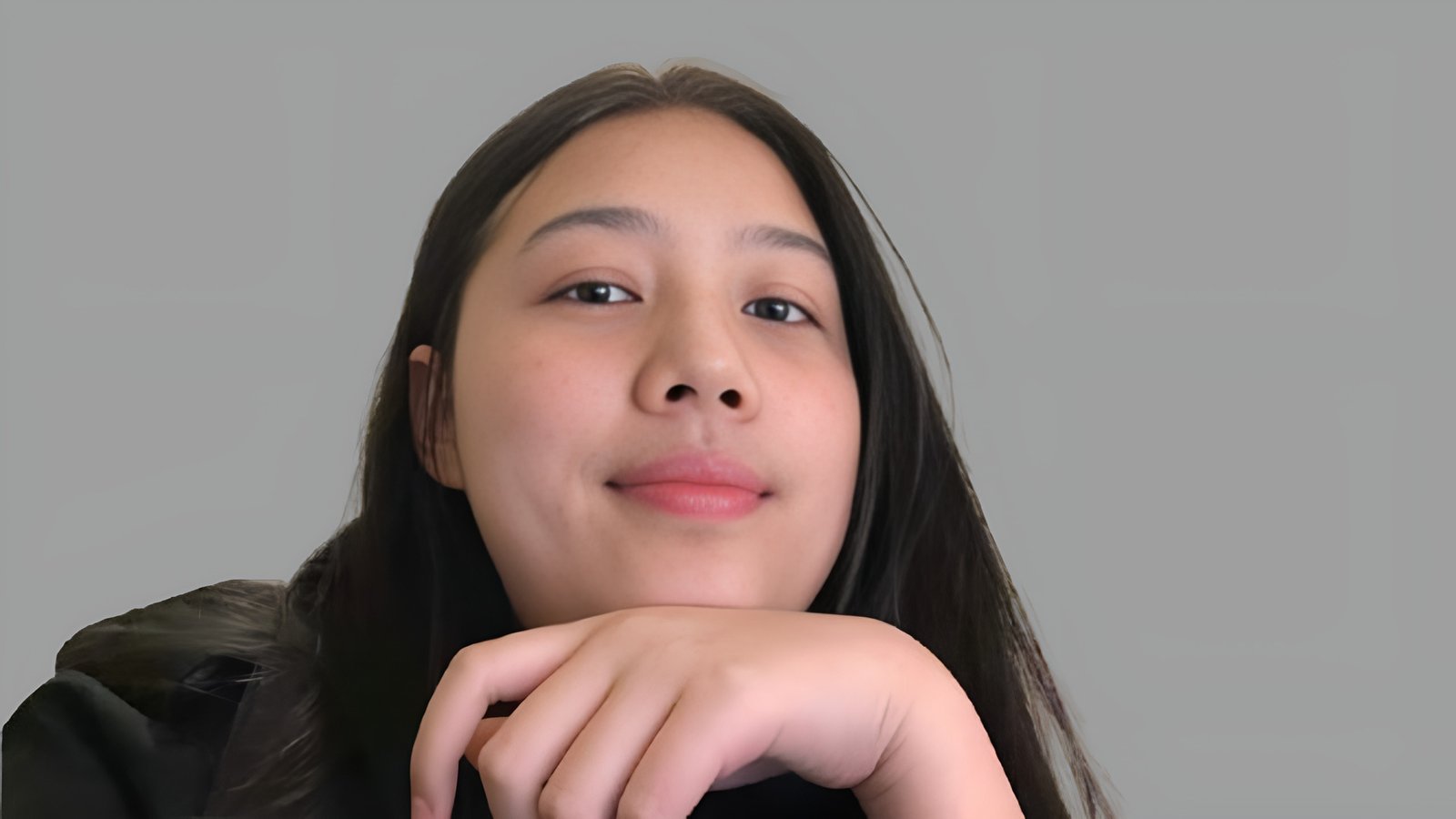
Hello! I'm Yijia Li, and I’m a China-born, Toronto-based multidisciplinary designer. My art and design journey began when I was a kid, doodling in my notebooks. After enrolling in an undergraduate graphic design program, which led my career to start as a designer.
When I was a kid, I loved observing the world and capturing it in my notebook through drawings. I always knew I had a passion for art and design, which led me to decide to attend art school. During my college studies, I realised that design is more than just creating visually appealing work. It can be a form of personal expression and a powerful problem-solving tool. This new understanding deepened my appreciation for design and fueled my interest even further.
I am currently back in school for my Master's degree in UX design. I made this decision for several reasons, but the primary one is to enhance my research skills and learn more theoretical foundations to make my future designs more practical.
Infinite possibility.
I love designs with simple styles, which I would say is more of a personal preference. I enjoy the sense of peace that minimalist works bring me.
It is hard to define'good'design, but I would say that a good design meets its intended goals.
The idea came to me during my undergraduate studies abroad. During this experience, I encountered many cultural shocks and differences, not only in daily life but also in my professional practice.
At that time, I also began working as a teaching assistant, and I noticed that cultural differences significantly influence how we understand design. This realisation inspired me to create this award-winning design, as I wanted to highlight this issue.
The type of websites as they have many sources about cross-cultural design, which inspired me a lot.
My cultural heritage is an integral part of my design process and has shaped the works I create. The language I speak and the culture I grew up with influence the way I think about design. It is different from Western design, and sometimes I feel caught between these two cultures. This feeling drives me to actively search for new solutions and pathways to create designs that embrace both cultures.
I was surprised because the work I submitted was more of an experimental and personal project rather than a mature commercial piece. However, it gave me confidence that I was on the right path. I will continue designing and staying true to my passion.
The work I created explores how different language systems have their own unique characteristics and, as designers, how we should approach these differences. Should we merge them, or should we preserve the originality of each culture and language? I believe this is an important topic that designers need to consider. That’s why I chose to submit this project — to encourage more designers to think about this question.
The main challenge I faced during the design process was that I had never created interactive work before. Additionally, my coding skills weren’t sufficient to develop such a complex project from scratch. As a result, I conducted some research and discovered that TouchDesigner would be the perfect tool for this project.
While building it, I spent most of my time self-teaching the software through tutorials. The amazing hand-interactive plug-in designed by Torin Blankensmith for the community also played a key role in helping me successfully complete this project.
It gave me more confidence and made me believe that the designs I create are meaningful. I will continue my journey as a designer.
Creativity, curiosity and experimenting.
I believe it's because my work is experimental, meaning that not many people have done or thought about it before.
Follow your passion. Create something that you like.
I don’t have specific resources to offer for improving their skills, but I recommend to keep practising and engage in more conversations. Communication is a crucial skill for a designer, and talking to different people helps you learn how to promote yourself.
Keep practising and be kind to people.
Read the interview about Xinchen Li’s Journey into Emotional Design Displays Art Beyond Functionality here.