Brooklyn Diary Project | 2025 NY Architectural Design Awards
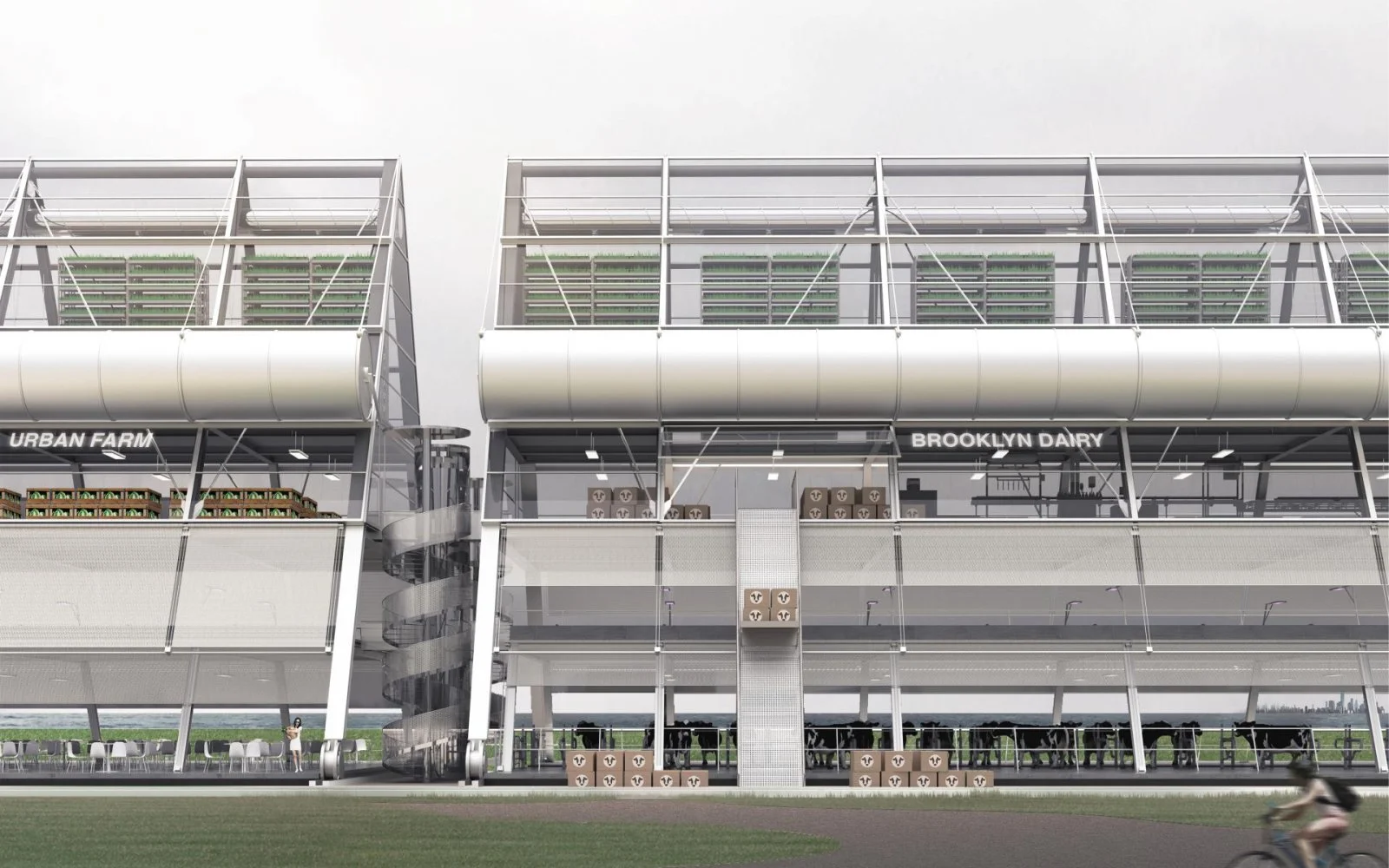
The Brooklyn Dairy Project, located in the historic Industry City complex in South Brooklyn, New...
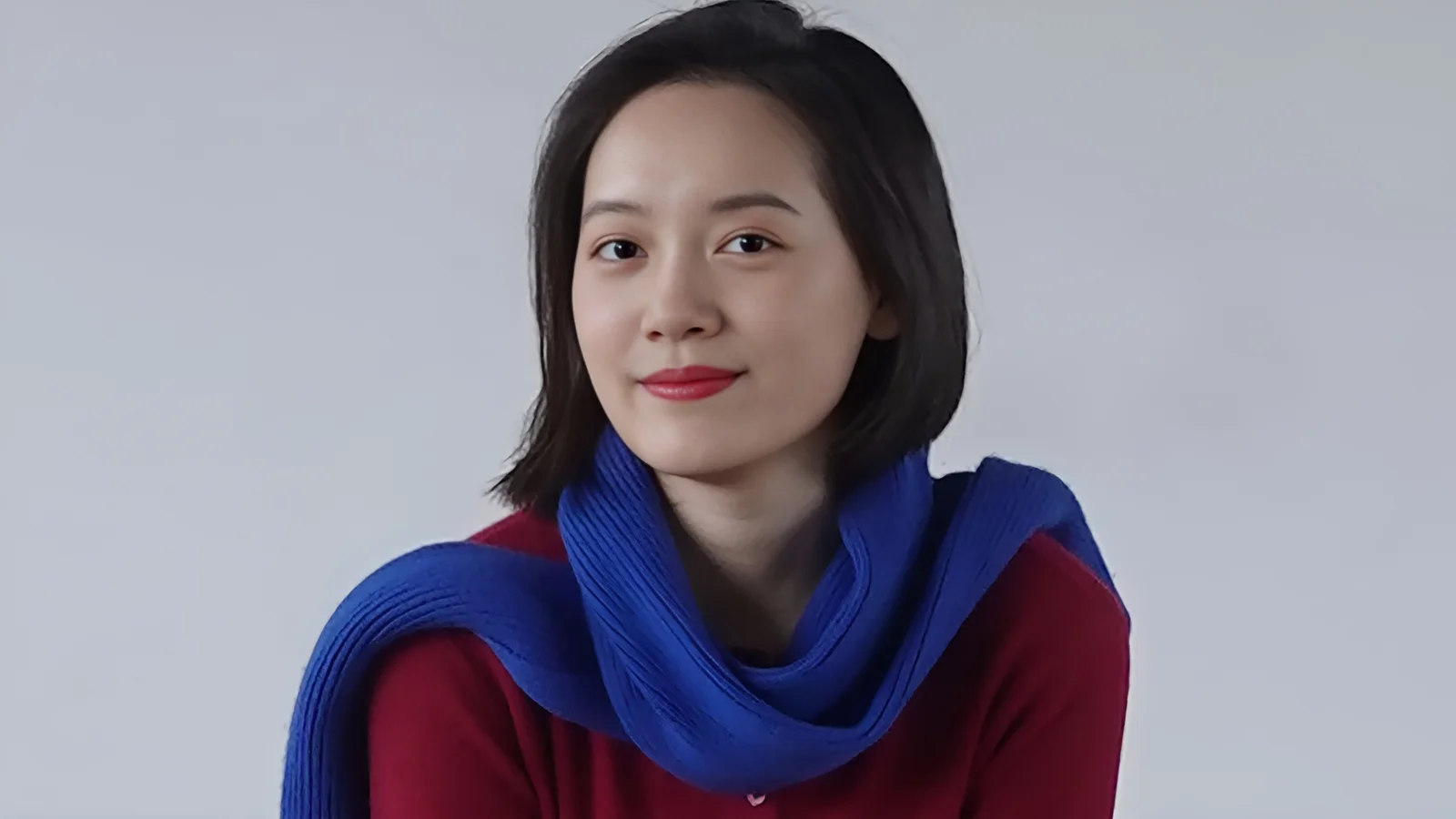
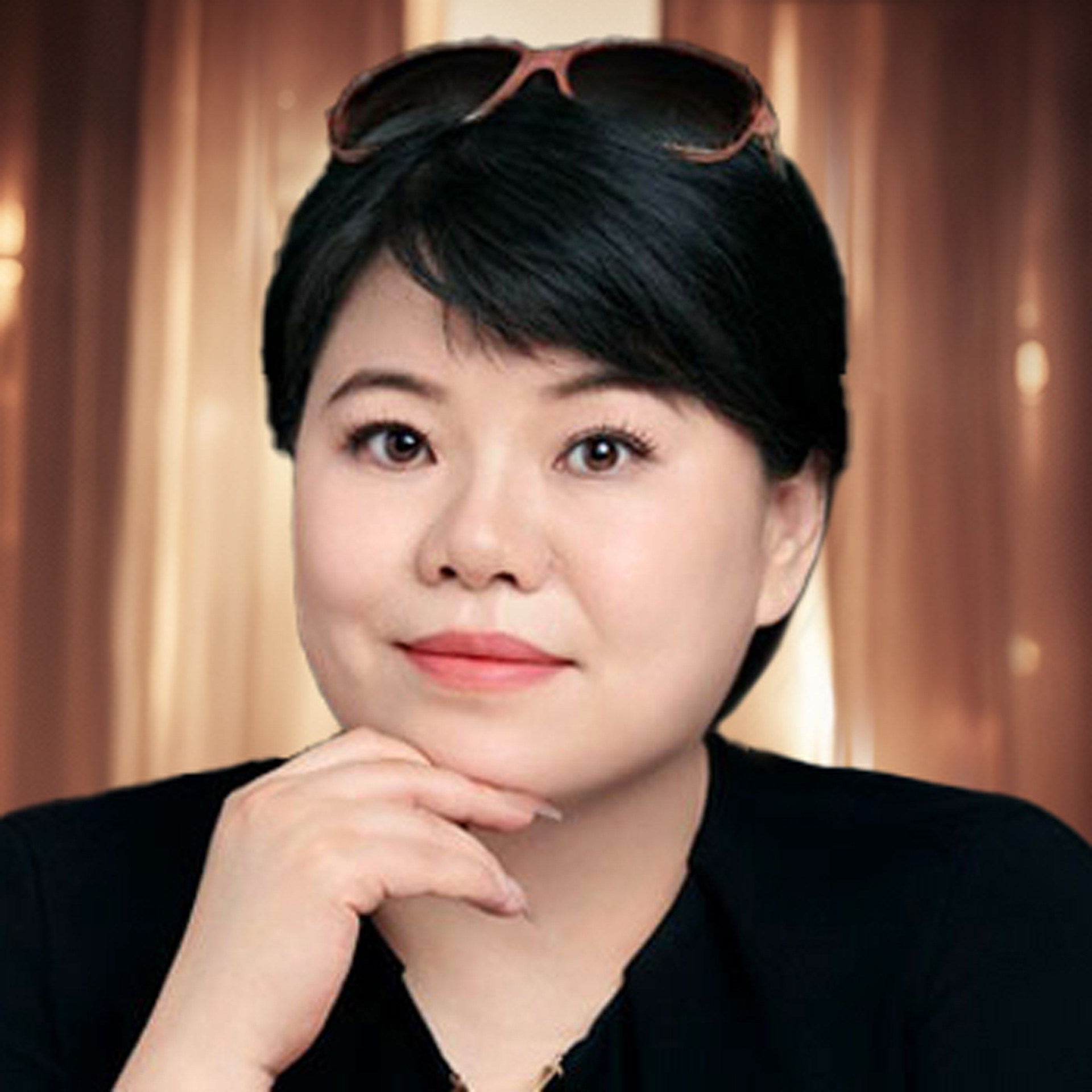
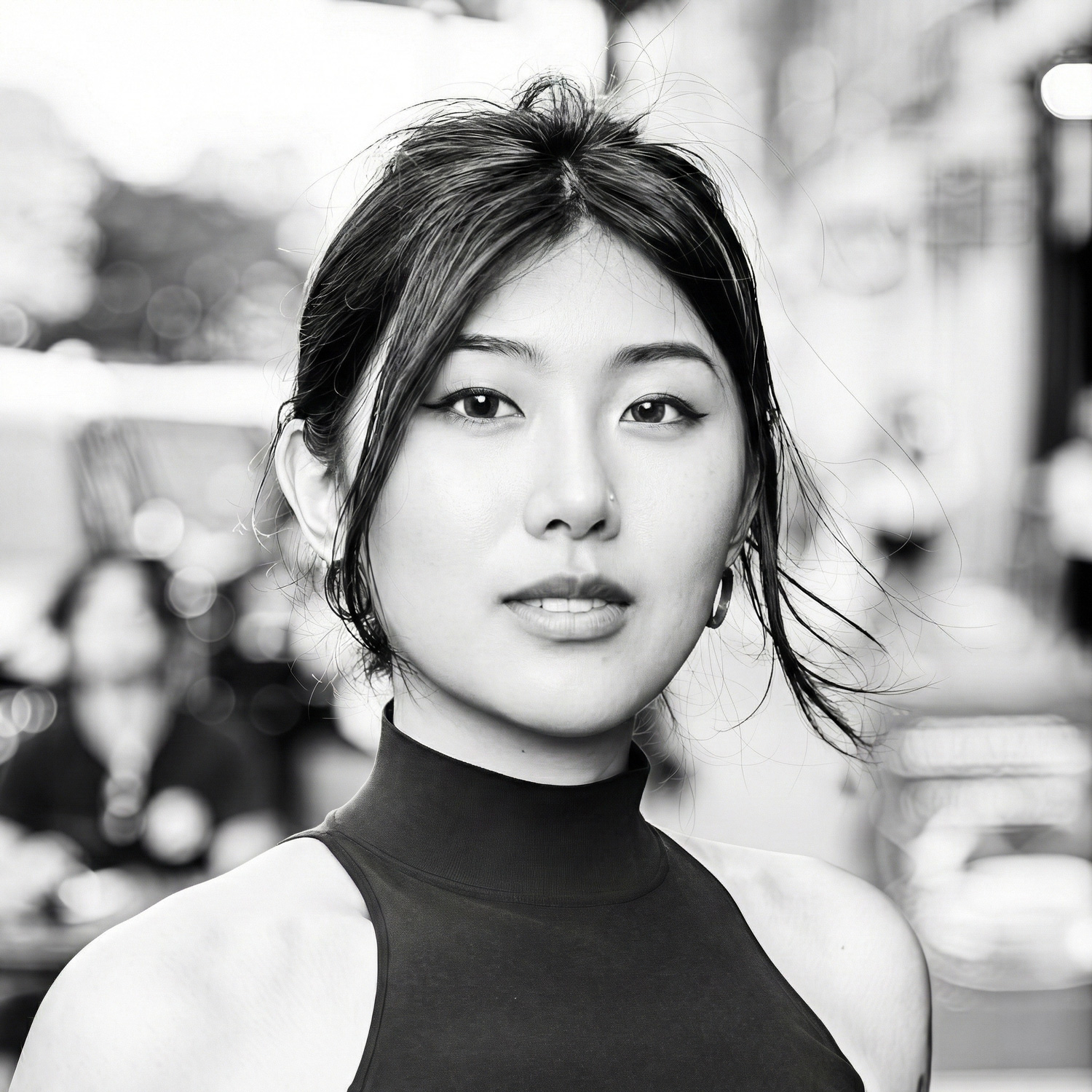
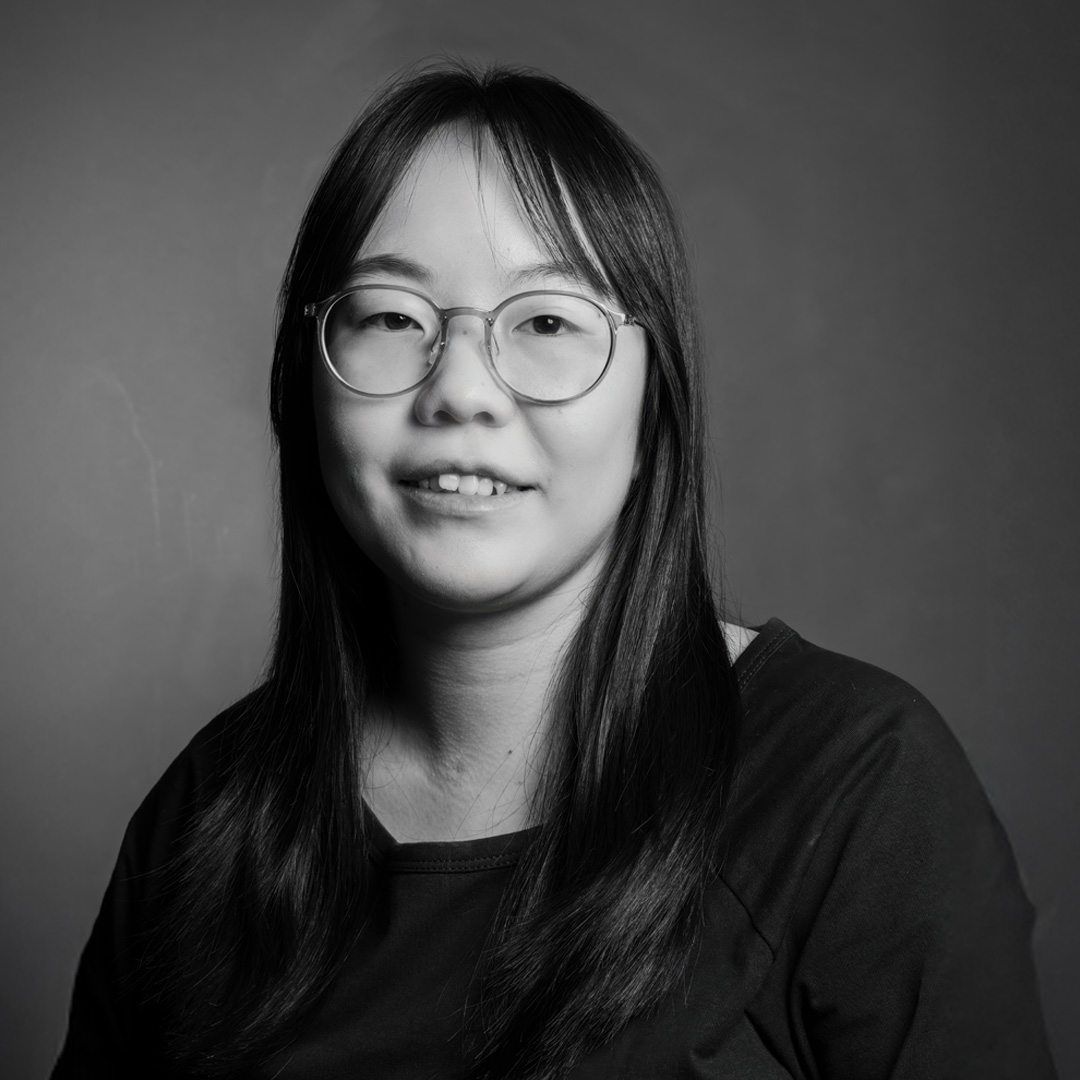
Yujin Cao is an architectural designer whose work explores how built environments carry history, culture, and memory while fostering human connection. Her current focus examines the intersections of urbanism, landscape, and social infrastructure, including visionary concepts like a floating urban farm that reimagines public space in response to climate and food challenges.
Thank you! We felt that the Brooklyn Dairy Project speaks to some of the most urgent issues facing cities today—urban segregation, food security, and environmental remediation. Given the NY Architectural Design Awards’ focus on innovation and community impact, we believed this project aligned closely with their values and could spark meaningful conversations about reimagining industrial spaces.
The core vision is transforming infrastructure from a divider into a connector. We reimagined a historic industrial surface into a self-sustaining, multi-layered productive landscape—one that supports agriculture, culture, and community within an urban context. It’s about healing fragmented spaces and creating an ecosystem that integrates human life, nature, and production.
I’ve always been fascinated by how physical spaces shape our lives—how they carry history, culture, and memory. My journey into architecture was driven by a deep curiosity about how the built environment can tell stories and foster connection. Over time, my work has expanded into exploring the intersections of urbanism, landscape, and social infrastructure.
Our mission is to create design solutions that are sustainable, regenerative, and deeply rooted in cultural and environmental context. We aim to push the boundaries of architecture by blending urban, agricultural, and ecological systems in ways that promote inclusivity and resilience.
One of the biggest challenges was balancing industrial preservation with ecological transformation. Instead of erasing the existing infrastructures, we chose to work with them, layering new productive ecosystems on top. This tension ultimately became a strength, giving the project its layered, dynamic character.
Our process is research-driven and iterative. It begins with a deep dive into the site’s history, ecology, and social dynamics. We then develop a conceptual framework, often drawing inspiration from adjacent systems—like infrastructure, agriculture, or cultural practices. Physical and digital modeling help us test flexibility and adaptability early on, allowing the project to evolve organically.
Connection, Transformation and Resilience.
Some people shared that the project gave them hope—that it showed how even the most barren, forgotten spaces could be reimagined as sites of life, community, and production. Hearing that emotional resonance was incredibly meaningful to us because it confirmed that architecture can be a catalyst for optimism.
It’s a tremendous encouragement. It validates our belief that architecture can go beyond aesthetics to address systemic urban and environmental challenges. This recognition motivates us to keep pushing for projects that imagine better, more inclusive futures.
It strengthens our commitment to working at the intersections of architecture, ecology, and urbanism. It also opens up new conversations and collaborations, which I hope will lead to more opportunities to design transformative, regenerative spaces.
I’ve been dreaming of creating a floating urban farm—a self-sustaining platform on water that merges aquaculture, agriculture, and public space. It inspires me because it addresses rising sea levels, food security, and public access to nature all at once, while challenging the traditional boundaries of land-based urban development.
I see architecture becoming increasingly interdisciplinary—integrating fields like ecology, social sciences, and technology. There’s a growing shift toward regenerative design, circular economies, and community-driven processes. I hope to contribute by creating projects that not only minimize harm but actively heal environments and communities.
We aim to go beyond sustainability as a checklist and think about regeneration—how a building or a landscape can give back more than it takes. Whether it’s creating habitats, remediating land, or fostering local food systems, I believe every project should be a net positive for its environment and its people.
I would love to design a "Living Infrastructure Corridor"—a hybrid of urban farming, wildlife habitat, renewable energy production, and public cultural spaces stretching across a city. It would be a living, breathing artery, knitting fragmented urban fabrics together while showcasing how cities can coexist symbiotically with nature.
Read more interesting stories in An Interview with Shuoqi Xiong about Architectural Design here.