Say Liberty | New York Photography Awards
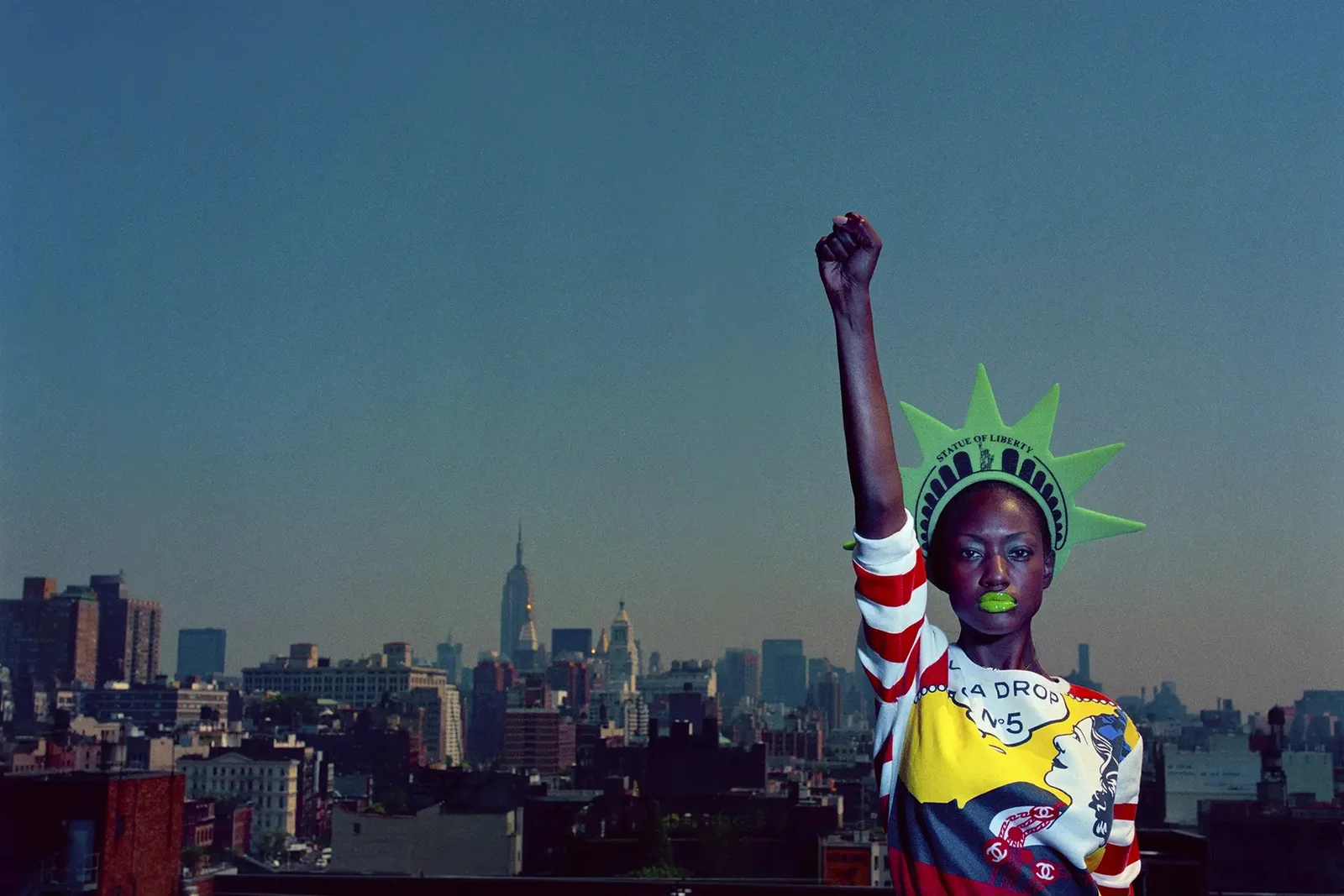
The photograph "Say Liberty," shot in New York City in August 2001 for Twill magazine,...
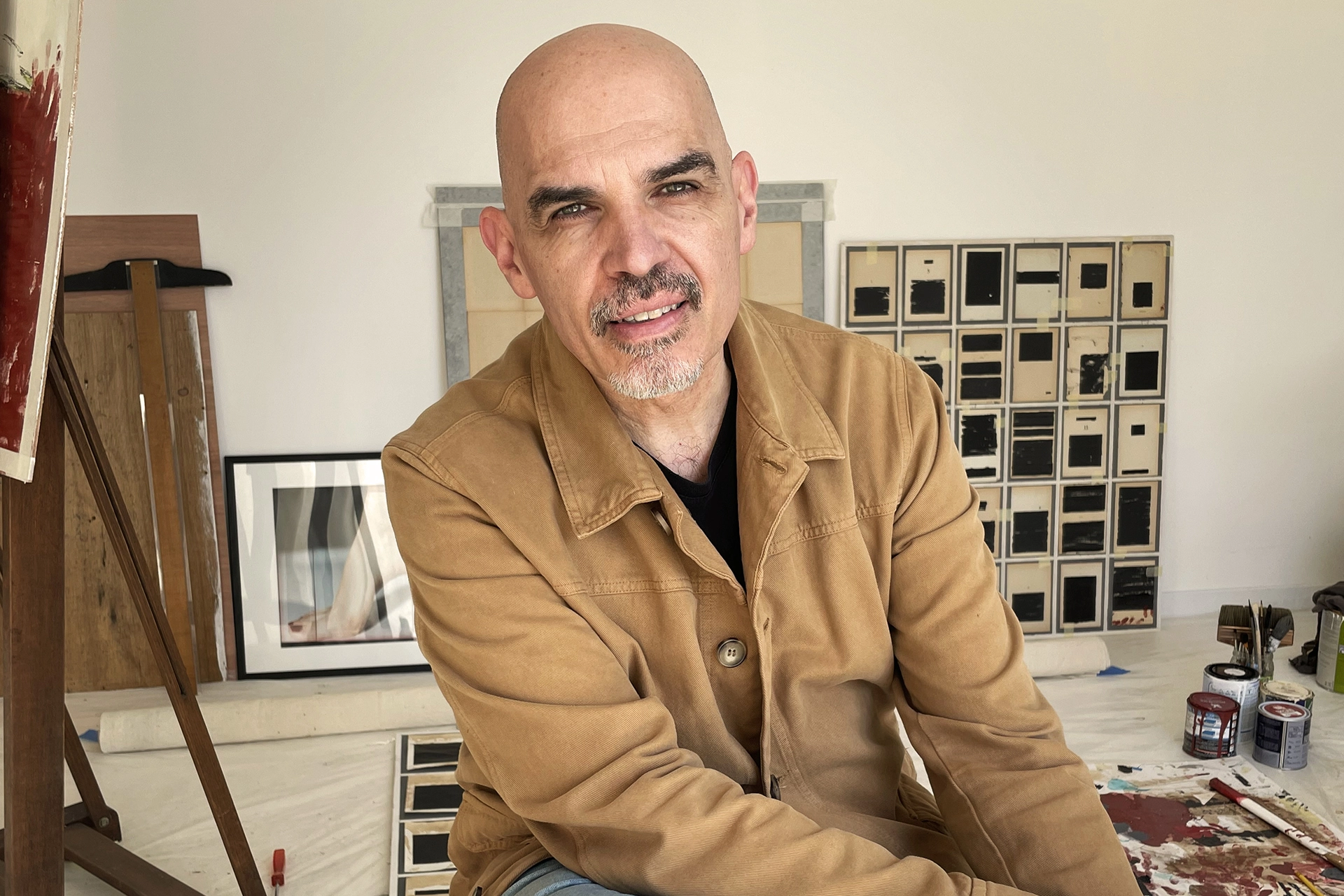
Born in France, Emmanuel Gimeno is a visual artist who transforms reality into personal fiction through photography. Initially drawn to painting, he discovered a passion for breaking the boundaries of photographic rules, exploring the intersection of imagery, storytelling, and experimental art.
My name is Emmanuel Gimeno, a French-born visual artist. I initially aspired to become a painter, but my time in art school led me to discover photography. Its intriguing rules and the creative possibilities that arose when they were explored, twisted, or broken, captivated me. The process of capturing moments from reality and transforming them into personal fiction inspired me to embrace photography as my medium.
I studied at the historic École des Beaux-Arts in France, earning my diploma in 1990 after completing a memoir in photography.
I was about ten years old, carrying around a Polaroid camera. I remember taking a picture of a polar bear at the Vincennes Zoo in Paris. The photo didn’t turn out well—the bear was too far away and overexposed, appearing as a white spot in the middle of a dark pond. That moment taught me an important lesson: from then on, I decided my golden rule would be to choose subjects I could get close to.
I’ve worked with a wide range of cameras and lighting equipment throughout my career. In my earlier years, I frequently used iconic analog systems like the Hasselblad 500 series, Leica M6, and Nikon F series—tools that taught me the fundamentals of photography and craftsmanship.
While I now use a variety of digital systems, including models from Hasselblad and Nikon, I still enjoy working with film photography. The tactile process and unique character of film remain a source of inspiration for me.
On the lighting side, I’ve used pretty much everything from studio setups, Norman flashes for location shoots to cinema-grade continuous lights like Flicker-Free HMI, adapting my tools to the creative/technical demands of each project.
I aim to continue exploring the intersection of photography and other forms of narrative art. Beyond photography, I work with painting, writing, installation, and various experimental approaches.
Recently, a collector reached out to acquire 17 pieces of my artwork, spanning various sizes and approaches. He shared that he felt deeply connected to my work and wanted to be surrounded by it. He described some of the pieces as 'hauntingly beautiful,' including works that are dark, strong, or graphically intense—pieces that aren’t always easy to display.
For him, these artworks brought emotional comfort, which was incredibly moving to hear. Knowing that my art resonates so deeply with someone is one of the most inspiring compliments I’ve ever received.
Much of my inspiration comes from literature and music, as well as experiences from my life or random associations of ideas that often arrive in my mind without explanation. Many of my concepts emerge from exploring the dualities in my daily life, such as anxiety and joy, fear of abandonment and desire, sexual drive and spirituality, irreverence and belief.
Thank you. Receiving this distinction from the New York Photography Awards is truly gratifying. It’s always a pleasure to see a piece of work appreciated and understood, especially when it resonates with others on a deeper level. While external validation like this brings a sense of satisfaction, I strive not to seek it out too much, as it can influence my artistic approach. Staying true to my vision is essential, but moments like these remind me of the impact art can have beyond my own intentions.
The photograph I submitted, titled Say Liberty, was taken in New York City, making the recognition by the New York Photography Awards especially meaningful. Originally part of a series and created for a magazine, the image features a striking Neo-Pop Statue of Liberty with a raised fist and a defiant expression, symbolizing the energy and resilience of the city.
Initially a tribute to Black Power and the fight for diversity in fashion, the photograph has grown to represent broader struggles for equality and social justice. Winning this award is a gratifying acknowledgment of how art can have and impact across contexts.
Winning an award is always an honor and can provide a boost to an artist’s confidence, but it doesn’t significantly change a career unless you continue to pursue your work every day. As someone who’s not a young artist, I’ve learned that awards are great for the ego, but they’re not a substitute for the dedication and passion required to grow and sustain a meaningful career. While I’m grateful for the recognition, my focus remains on staying true to my creative process and continuing to push my artistic boundaries.
Man Ray, Robert Frank, and Steve Hiett.
The best piece of advice I received was from Steve Hiett, a great artist and personal mentor. He told me to always be kind to everyone because you never truly know who people are or who they might become. Kindness costs nothing to give but is always remembered by those who value it. It’s a lesson that has stayed with me throughout my career.
My advice to aspiring photographers is to be open to experimentation and maintain authenticity. True artistry comes from breaking away from trends and finding your own voice. It’s also essential to learn from and discover the masters—do your homework and be humbled by the incredible work that’s been done before by great artists.
At the same time, avoid being overly influenced by social media or content where the source isn’t clear. Focus on building a foundation of knowledge and a style that truly reflects who you are.
Give no compromise. None. anything given away will hurt your integrity and will make you waste precious time.
New information and technology can certainly impact the tools and methods I use, but for me, substance is what truly matters. I believe that if I had been born in a different time or civilization, I would still be exploring the same core themes in my work.
Staying receptive to new knowledge means remaining curious and open to evolution while staying grounded in what drives me as an artist. It’s about balancing adaptability with a strong connection to the ideas and emotions that define my creative voice.
Sure, I can share that little story I love, it always helps my listeners figure out if what they do is their true calling:
In a time long forgotten, a young artist burdened by failure climbed a treacherous mountain to seek the wisdom of a fabled old man.
Known far and wide for his enlightenment, the old man was said to hold answers to life's deepest questions. When the artist finally reached the summit, exhausted and trembling, he bowed before the old man and said, “Master, I have come seeking your guidance. How can I find success in my art?”
The old man studied him for a moment before asking, “What would you do if you were told that it would never be possible for you to make art again, no matter how much you tried?”
The young artist hesitated, then replied, “Well, I would find something else to do to achieve success.” The old man’s expression softened, and he gestured toward the mountain path. “Then you may leave,” he said. “You are free. You are not an artist. A true artist would rather die than do anything else".
Read the Interview About How Panfil Pirvulescu Captures Authenticity in Photography here.