
Design & Inspiration
Behind Back on Rail Brownfield Restoration & Urban Renewal Masterplan with Yuan Tian
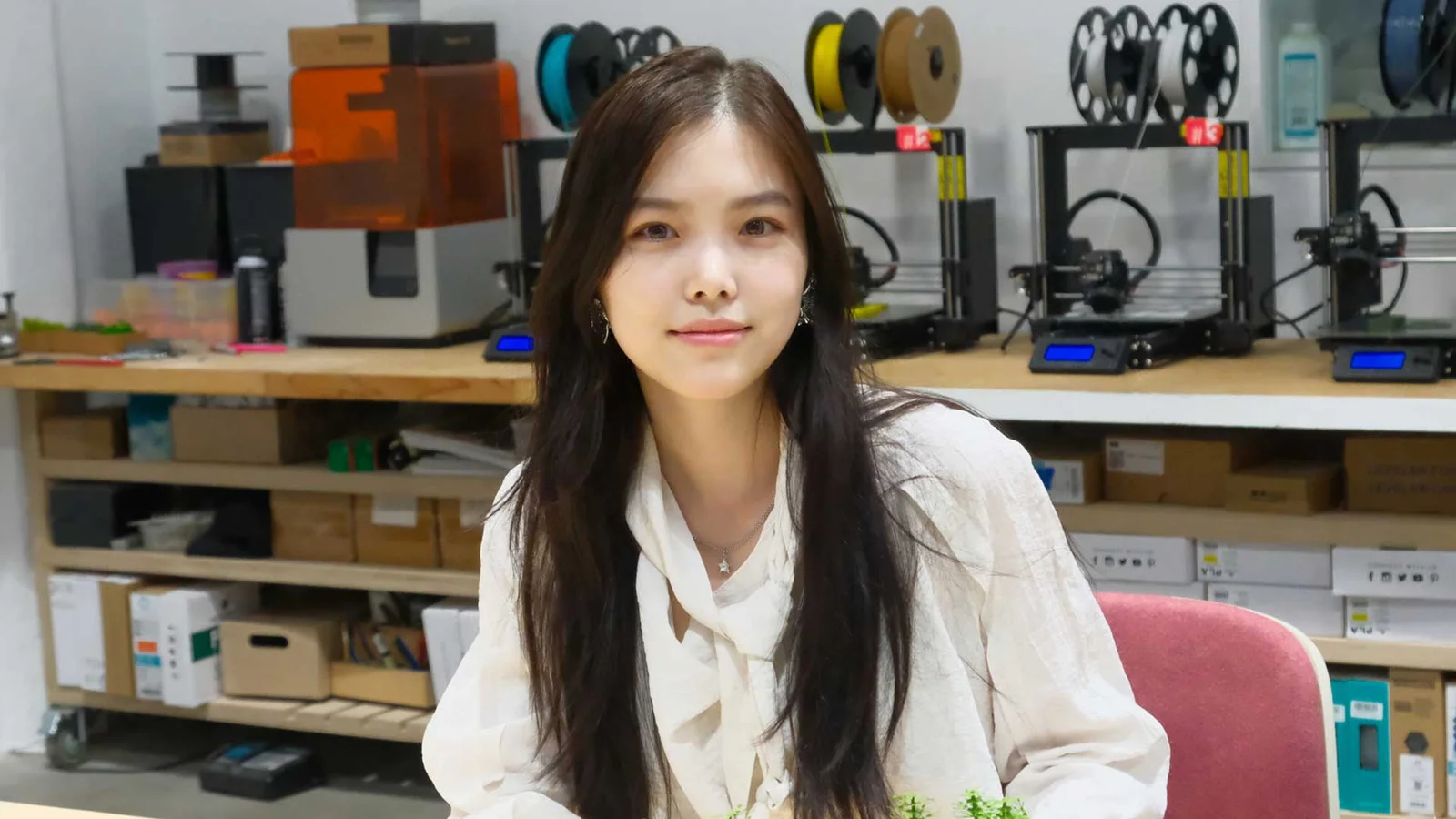
Yuan Tian
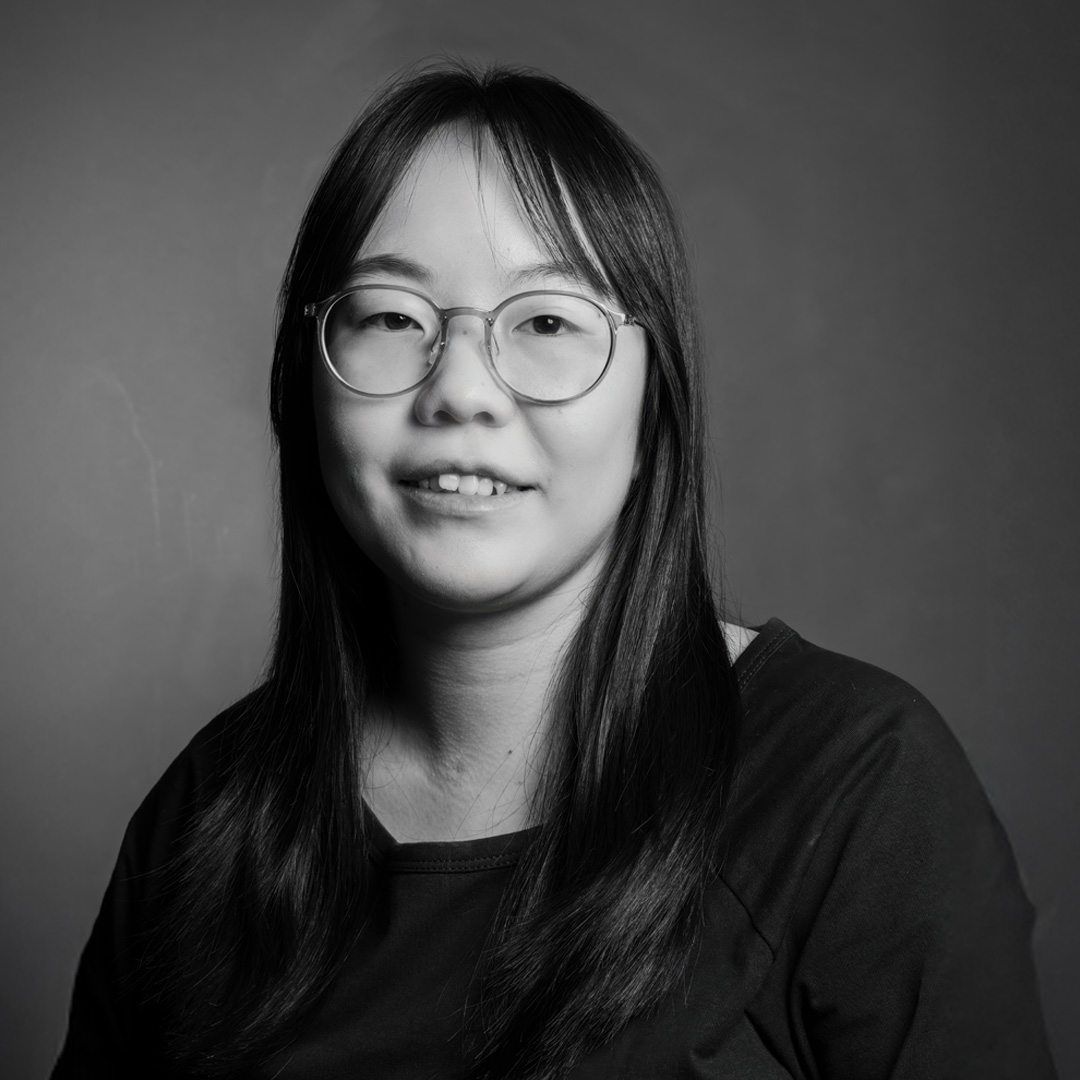
Yuan Tian is a landscape designer whose deep appreciation for nature and the built environment began early in life, inspiring her to create outdoor spaces that blend creativity with function and foster meaningful connections to the natural world.
The question I wish people would ask is: “What kind of experience do you want your designs to create for people?”
For me, design has never been about form or style—it’s about how people feel understood and cared for through everyday interaction. When someone grips a tool, sits on a chair, or turns on a light, I want them to sense a quiet ease—as if the design already knows their rhythm and needs.
I believe that great design eventually dissolves into daily life. Over time, it’s no longer an object that people use, but something they live with—a presence that quietly enhances comfort, emotion, and continuity in their routines.
That subtle, enduring connection between people and the things they trust—that’s the kind of experience I always strive to create. The ultimate proof is trust over time—when people stop noticing the object and simply rely on it.
The MUSE Design Awards represent an important opportunity and a milestone for me. They allow me to reflect on my past work and design philosophy, gaining a deeper understanding of my creative journey.
Additionally, being recognized alongside other outstanding participants is both inspiring and confidence-boosting, reinforcing my passion for design.
Winning the MUSE Design Awards has given me the opportunity to see the works of other participants in the same category, allowing me to reflect on the diverse ways people perceive and interpret the world.
Exploring the winning projects has been both a valuable learning experience and a form of creative exchange. It also serves as a great networking opportunity, connecting me with other talented designers. Most importantly, I deeply cherish my work, and I’m truly grateful that it has been recognized.
Experimentation has been a constant throughout my career as a landscape designer. It shapes how I approach research, generate form, and represent landscapes—moving beyond conventional solutions to explore alternative systems and possibilities.
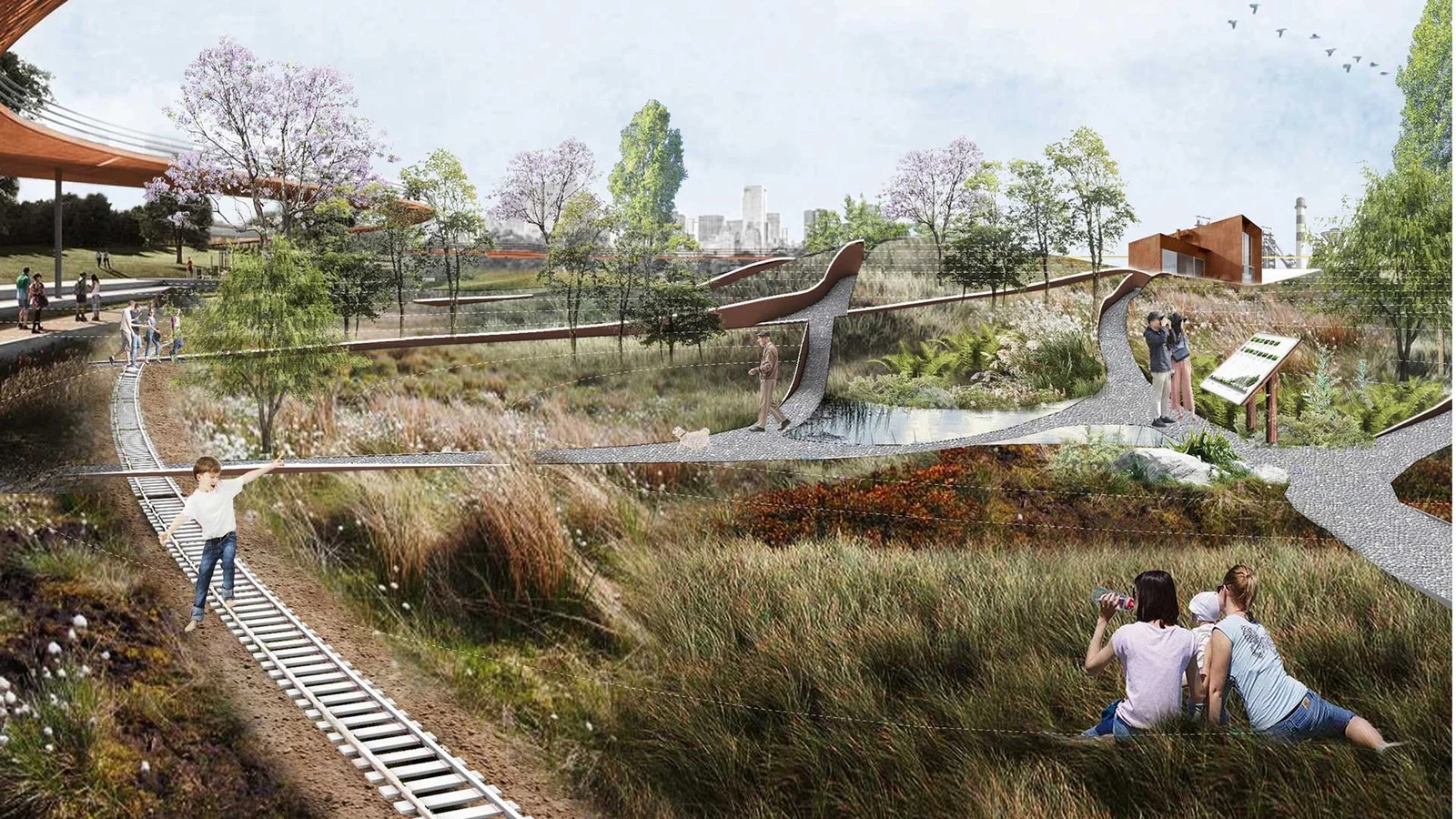
For me, it’s not just a design method, but a way to challenge assumptions and rethink the relationship between ecology, space, and society. For example, in my award-winning project Back on Rail, I chose brownfield remediation as my focus. During the site research phase, I collected samples of plants, soil, and water.
After discovering issues with the soil, I conducted a second round of sampling and testing, which revealed hidden opportunities within the site. Through literature review and discussions with experts, I developed a systematic understanding of soil contamination treatment methods. Then, I began to explore the relationship between these remediation processes and spatial design.
One of the most unusual sources of inspiration in my work comes from personal experiences like dreams and memories. These subconscious moments often carry rich emotions and abstract narratives that I translate into spatial design.
In one project, a recurring childhood dream of shifting landscapes inspired a design that explored movement and memory through layering, translucency, and dynamic perspectives. I believe these intuitive sources add emotional depth and a sense of the surreal, creating spaces that resonate beyond function.
I wish more people understood that the design process is not just about solving problems—it’s about staying curious, thinking like a child, and acting like an expert.
Great design comes from an openness to exploration, questioning conventions, and embracing uncertainty. The best ideas often emerge when we allow ourselves to play, to wonder, and to see the world with fresh eyes.
However, turning these ideas into reality requires precision, deep knowledge, and technical expertise. It’s this balance between curiosity and expertise that makes design both exciting and impactful.
I navigate the balance between meeting client expectations and staying true to my ideas by finding creative ways to make the design both meaningful and engaging—while staying within budget constraints.
One challenge I faced in my award-winning design was struggling to articulate my concept at the beginning. I felt unprepared, and it was hard to define the direction.
Over time, through exploration and iteration, I gained clarity and confidence. I learned that the design process isn’t about having everything figured out from the start but about trusting the process and letting ideas evolve as you go.
When I hit a creative block, I recharge my creativity in two main ways: through art and nature. In terms of art, I often turn to books and films to immerse myself in different perspectives and narratives. This helps me break out of my own thought patterns and sparks new ideas.
Nature, on the other hand, offers a more immediate form of inspiration. I love visiting botanical gardens, where I can observe plants, animals, and natural phenomena. These moments of quiet observation often lead to unexpected insights and renewed energy.
I believe that design should never emerge from nothing, but it must still be unexpected and innovative. My personal values emphasize a deep understanding of existing systems, while seeking to evolve them in meaningful ways.
In my work, I strive to infuse this belief that design should build on what already exists—whether it’s nature, culture, or societal structures—but also push the boundaries of what’s possible within those frameworks. This balance between respect for the past and a willingness to break new ground is central to my approach to design.
My advice to aspiring designers is to maintain curiosity and confidence.
If I could collaborate with any designer, I would choose someone in stage design. I’m inspired by how theater integrates storytelling into space and the dynamic relationship between the audience and the stage. It’s a field where I’d love to push my creative boundaries and bring a more narrative-driven approach to my work.
I choose not to speculate about what people might ask. I prefer to let the work speak for itself and engage with questions that naturally arise from it. Sometimes, the most interesting insights come from spontaneous curiosity rather than from pre-determined expectations.
Winning Entry
Gallery
Explore the journey of Zecheng Zhong, the Gold Winner of the 2025 MUSE Design Awards. His passion for car design began young. At Skyworth Automotive Design Co., Ltd., he helped shape the SKYWORTH Q—a sporty, high-tech, fully electric hatchback driven by eco-friendly innovation.
ADVERTISEMENT
Latest Posts
When the Green Sun Rises Marks a Defining Moment as 2025 Rome Desig...
FEBRUARY 20, 2026
Muggle Shines as 2025 LIT of the Year in a Bold Celebration of Indi...
FEBRUARY 20, 2026
MAZDA EZ 60 Drives Into the Spotlight as 2025 MUSE Design of the Year
FEBRUARY 17, 2026

Inside the Event Experience at LOTTE HOTEL YANGON
FEBRUARY 13, 2026

ORA 5 by Great Wall Motors Redefines the Modern Electric Car
FEBRUARY 10, 2026
Where Design Meets Intelligence: LOOI Robot Wins 2025 MUSE Design o...
FEBRUARY 10, 2026
How Axue Wei at THG Films Turns Video Marketing into a Strategic Ad...
FEBRUARY 9, 2026
Amazon eero Outdoor 7 by HUNTER + Futureman Digital and the Art of ...
FEBRUARY 6, 2026
The Mixed Reality Journey of Alo Moves XR by Magnopus
FEBRUARY 6, 2026

OnePlus 13T “Small Screen, Big Power” Promotional Video: Small Scre...
FEBRUARY 4, 2026
IAA GLOBAL AWARDS
MUSE Awards
Vega Awards
NYX Awards
TITAN Awards
- TITAN Business Awards
- TITAN American Business Awards
- TITAN Property Awards
- TITAN Women In Business Awards
- TITAN Health Awards
- TITAN Innovation Awards
- TITAN Brand Awards