Yamanashi Broadcasting and Press Center NOW | London Design Awards
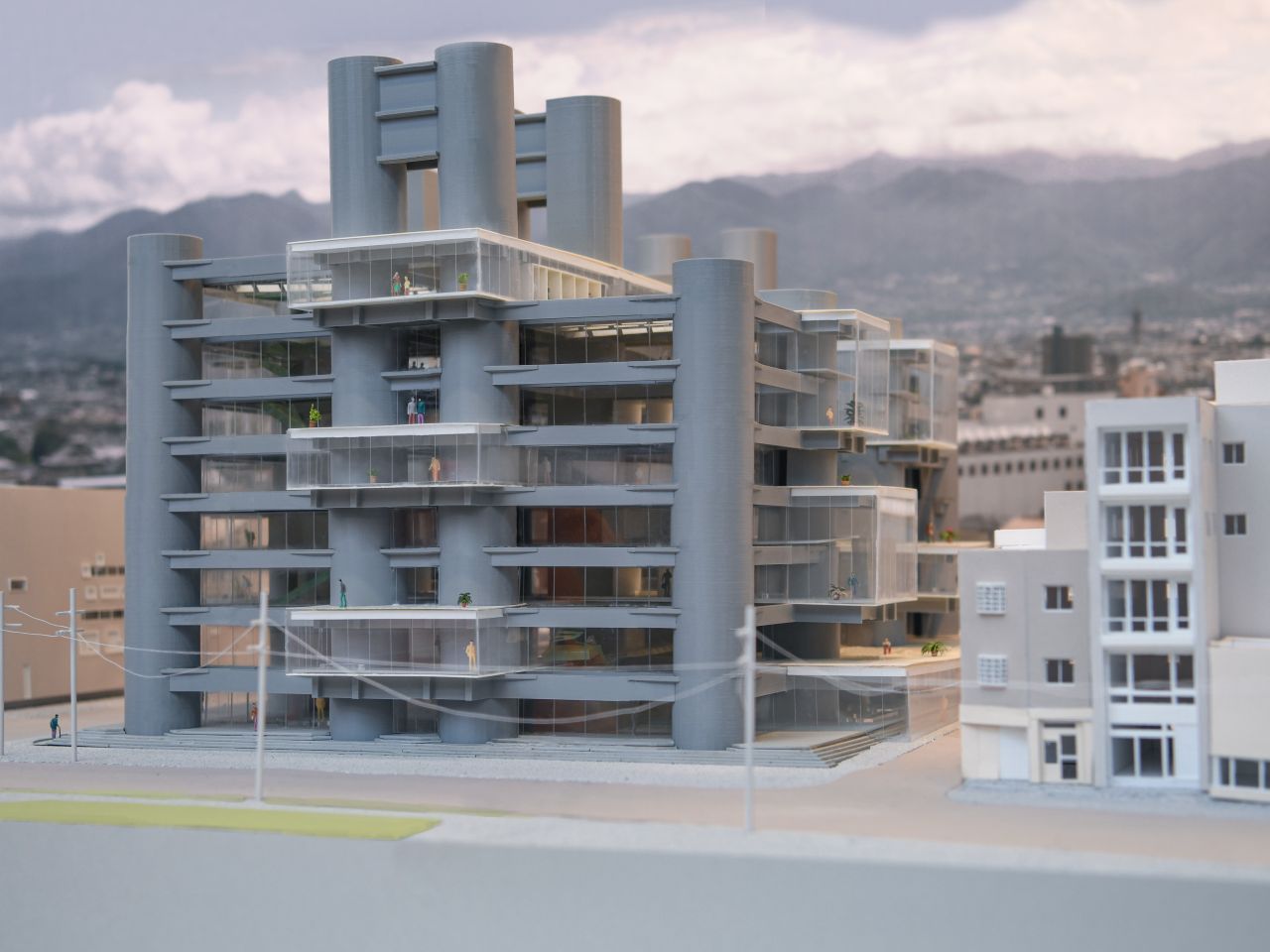
In 1966, Kenzo Tange devised a powerful apparatus of disseminating mass media, Yamanashi Broadcasting and...
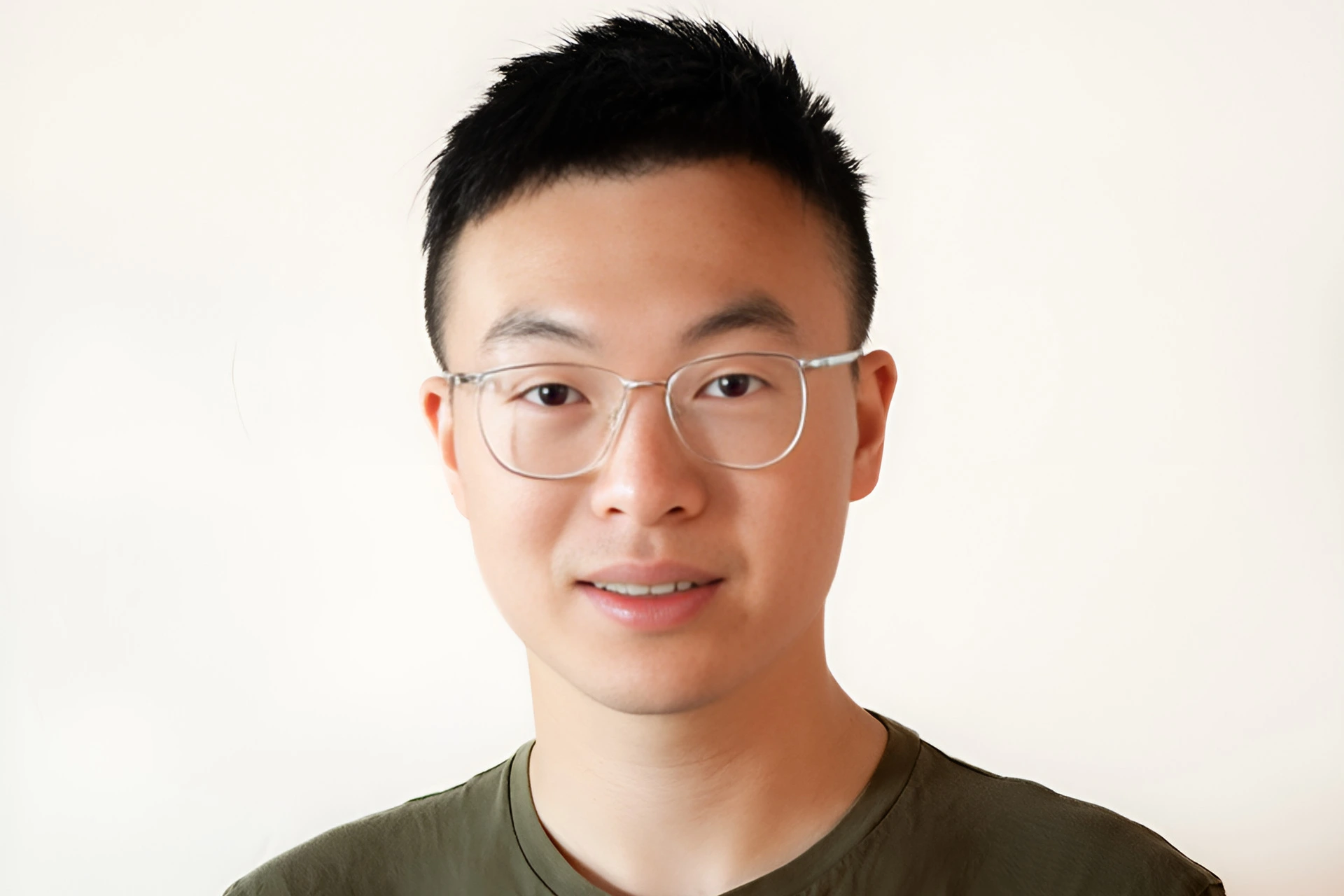
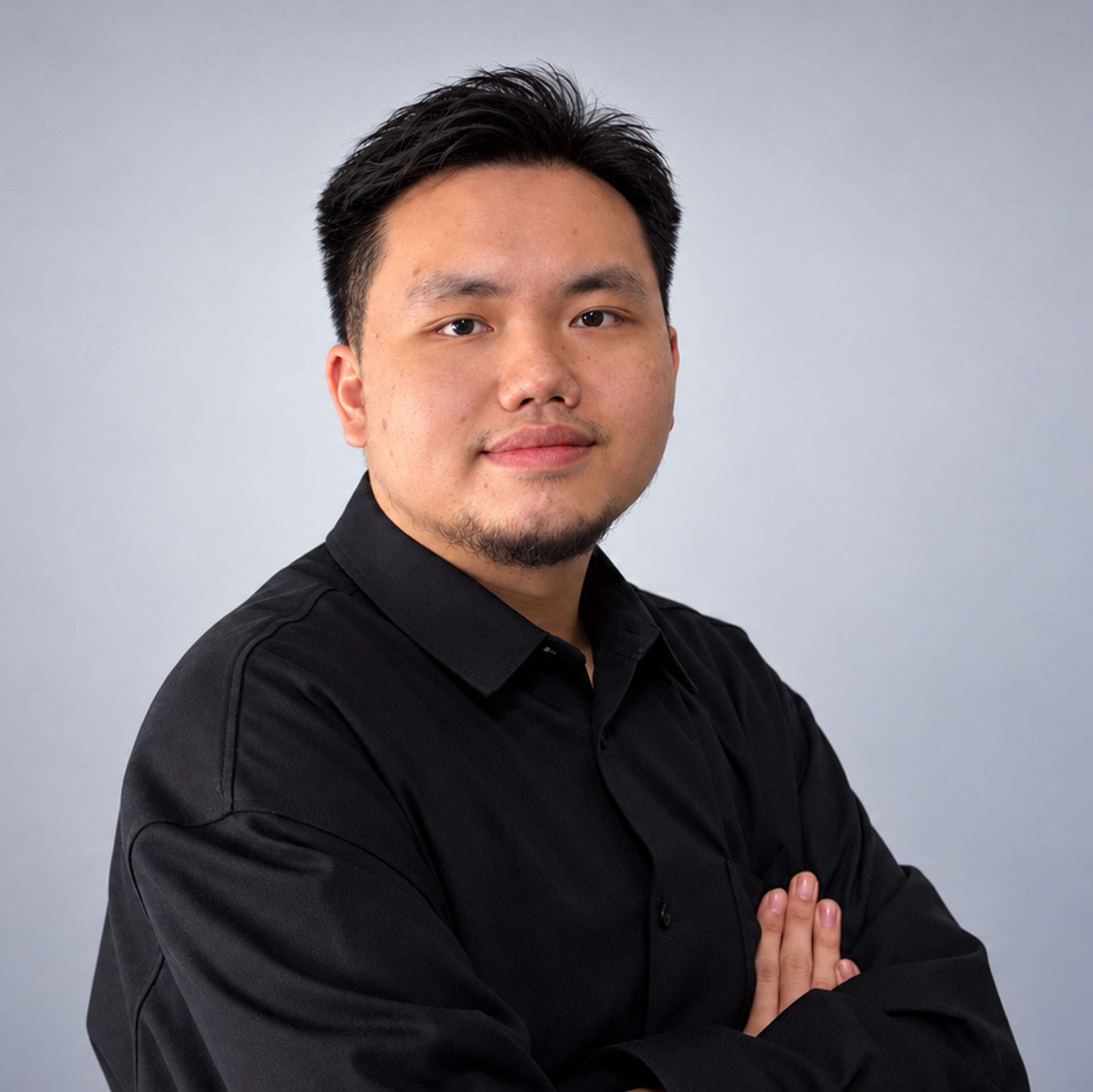
I am Wentao Guo, a New York-based interdisciplinary architectural designer. I am currently working at Adjaye Associates in New York. With global practice experience in China, Japan, Los Angeles, and New York, I embrace a design approach that integrates extensive research of locality, culture, and environment. I received my Master of Architecture degree at Harvard University Graduate School of Design and my Bachelor of Science in Architecture degree at Washington University in St. Louis.
The reason I chose to become a designer is straightforward. I believe each architecture is unique. Its formal orchestration reflects a specific environment and cultural background. As an architectural designer, I am enthusiastic about creating unique spaces for people to experience.
At my personal studio, I do both architectural practice and research. While architectural practice is the pathway to bringing concepts to reality, research is equally important because it bridges the gap between architectural practice and society through deciphering and interpreting cultural phenomena.
Architectural design, to me, is way more than my personal creativity. It is also about empathy for the locality, culture, and environment. To be a good designer, I have to be a good reader and observer.
My favourite architecture shows generous empathy for its environment and cultural backgrounds, such as utilising traditional construction techniques or local sustainable materials. The coherent narrative of architecture and its locality helps people, essentially readers, to understand it better.
Similar to the previous question, a“good”design shows enough effort in placemaking.
It was shocking to learn that Nakagin Capsule Tower was going to be demolished in 2022. It came across my research about post-war architecture in Japan. Japan experienced a unique social change after WWII. The rapid growth of population, economy, and technology resulted in a distinctive architectural advancement.
The movement of metabolism is among the most internationally prominent ones. Not only are the formal expressions of that architecture interesting, but also the fact that they are a reaction to the culture boom and even speculation of future Japan deeply attracts me. However, the misalignment of the metabolism architects’ speculation and the economic bubble thereafter left many of them detached from society.
Nonetheless, they are physical material textbooks standing in front of us. As many of them were demolished or are already on the agenda of demolition, it is important to discuss potential ways to celebrate and sustainably extend their life in the future.
There are two main sources of inspiration for me during the design process. One is the local craft culture and the other is the genealogy of Japanese architecture after WWII and the narrative in those projects. Kofu is historically an economically prominent town with a rich history of craft making.
However, industrialisation and gentrification fueled by capitalism superseded local craft-making with a monochrome production manner. Learning the history of the once-diverse culture and the detrimental effect of gentrification, especially the fact that the Yamanashi Building itself is a symbol of gentrification and mass immaterial production, helped me set up the vision of the renovation.
Meanwhile, metabolism as a movement might end but its influence is profound. Understanding its influence in contemporary architecture helps me better react to the existing structure.
Yes, I grew up in China and moved to the United States. My minority background gives me a chance to be a flaneur of the city and more importantly, the culture behind it. The observer role of a new culture helps me build up the ability to empathise with the locality in architectural design.
It is such a special honour for me, especially for having the opportunity to promote the importance of saving those modernist architectural heritages to a greater audience.
Yamanashi Broadcasting Center Building NOW is a bold vision for the renovation of post-war architecture. It neutralises its intensive political background by reactivating it with a diverse community-related architectural program into the building and its urban surroundings. London Design Awards is a great platform to showcase the positive potential of saving those concrete giants sustainably.
One of the biggest challenges was to identify the relationship between the new architectural component and the existing structure. The design process behind the decision-making was slow yet deliberate. I managed to identify an undaunted vision of contrasting the old structure with the new through reading and referring to contemporary Japanese architectural practice and their comments on urban public space.
Winning this award is an affirmation of my unique interdisciplinary design approach that incorporates the research process.
My top three favourite things about the design industry would be the tireless energy of my peers to transform existing culture scape with architecture, endless creativity, and intricate relationships with many other disciplines.
I think one significant difference would be representation. My representation of the project, including both physical models and renderings, is a manifestation of the narrative of my design and a result of extensive research that I have done about the locality.
Two directions that will evolve quickly in the next decade would be renovation and sustainability.
Be humble and hungry to learn the world.
My biggest resource is the library and bookstores. The exuberance of topics, not just architecture, in a wide range of mediums, is my biggest inspiration all the time.
One of my biggest inspirations is Toshiko Mori, who was my architectural studio professor. It was during her studio that I learned the importance of extensive research and empathising with locality and cultural backgrounds.
My key to success is thinking slowly and passionately.
Read more about Biotechnology in Reshaping the Future of Product Design | An Interview with CIMOR here.