Fragrant Serenity | French Design Awards
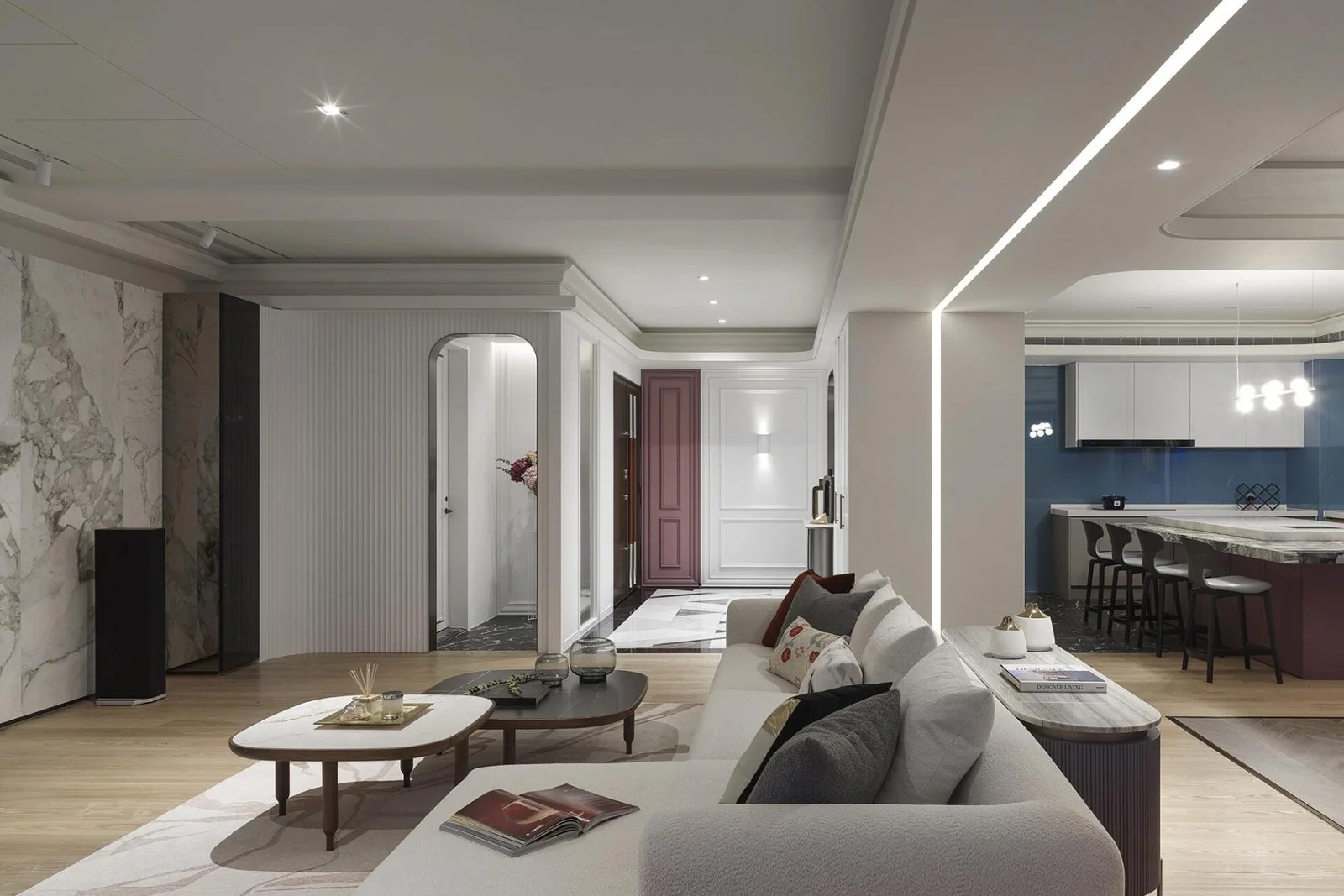
This exquisite private residence artfully merges classical aesthetics with modern design, resulting in a sanctuary...
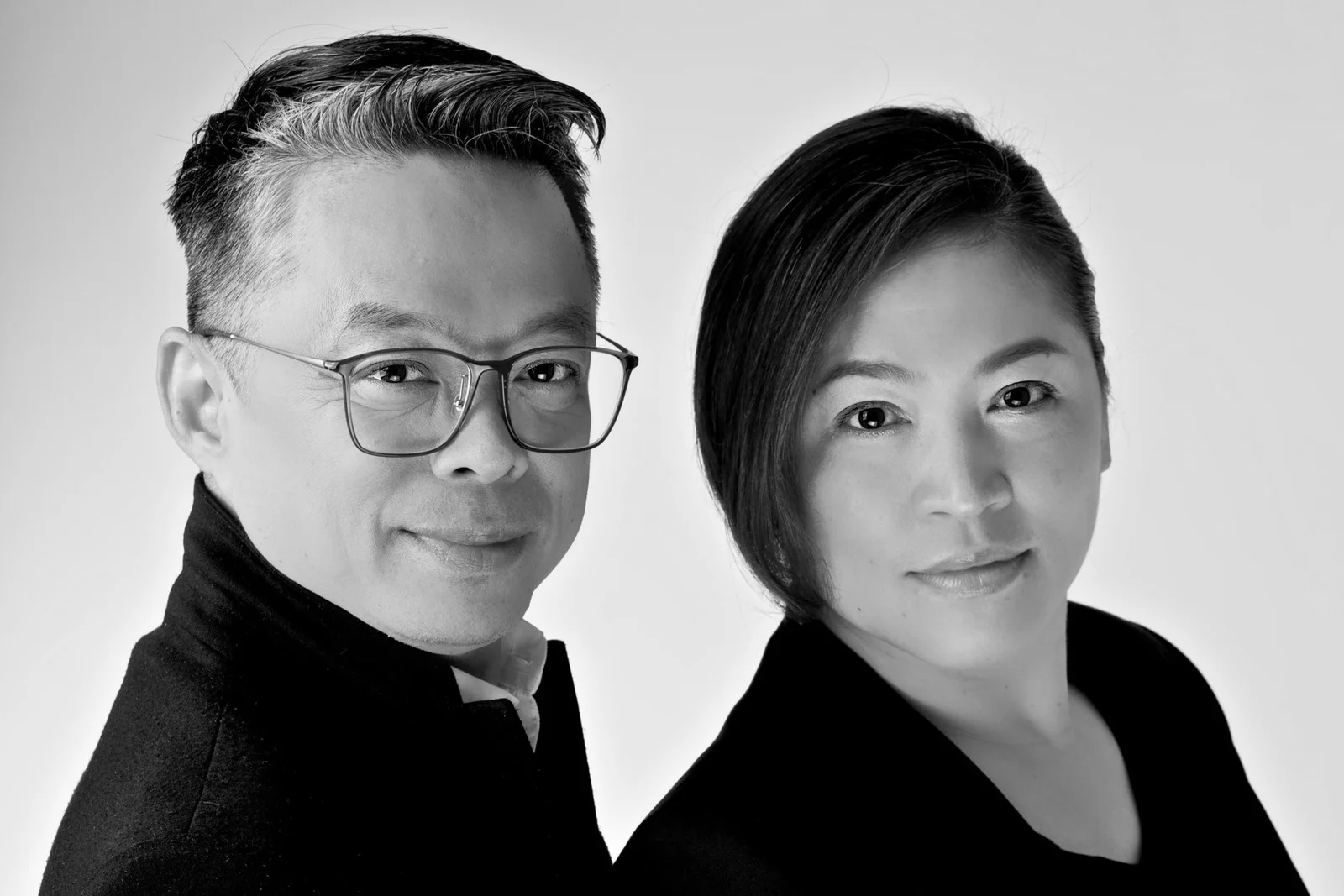
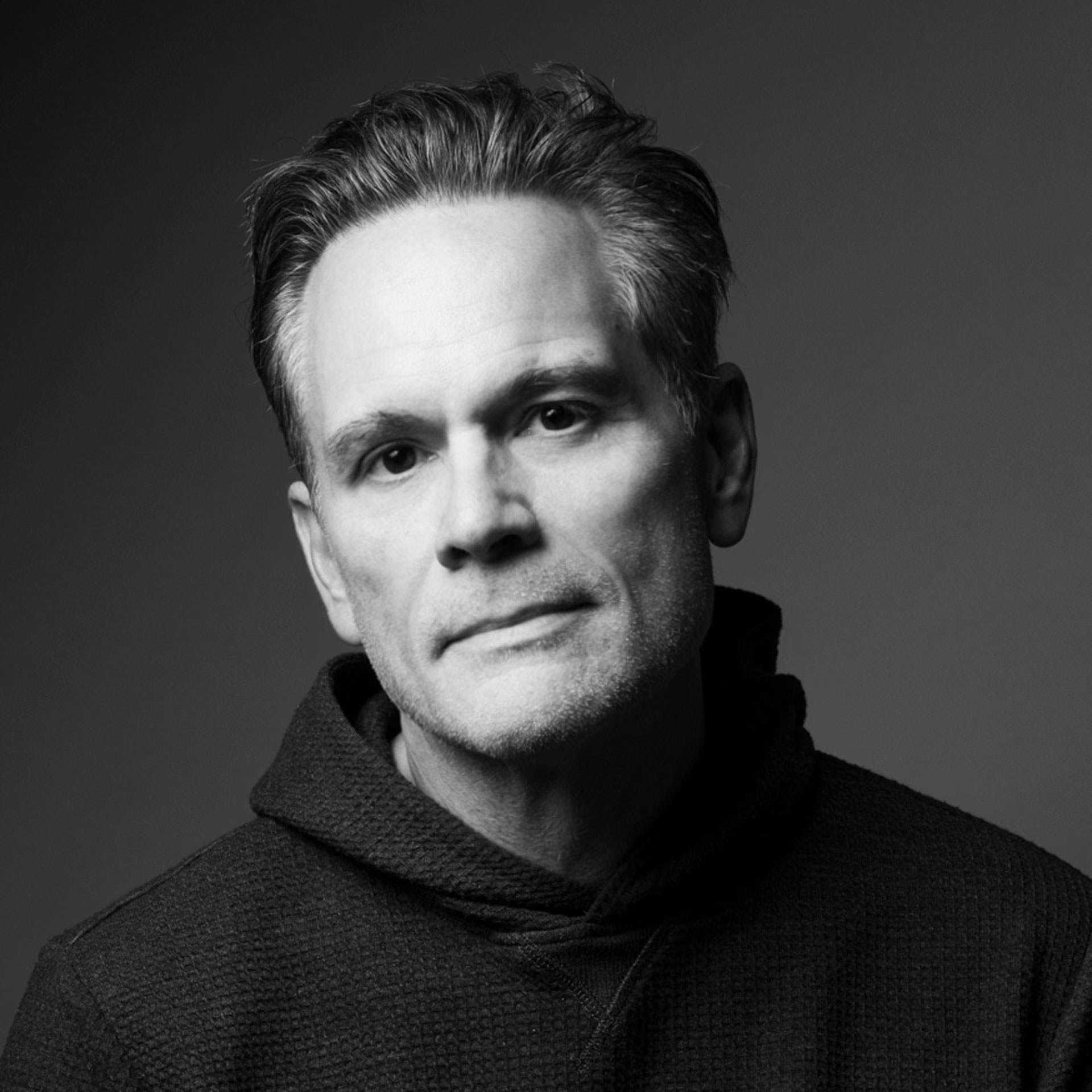
I am Chih-Cheng Chang from Taiwan, with over 30 years of experience in the interior design industry, possessing extensive expertise in both design and practical applications. Graduated from Fu-Hsin Trade & Arts School, I'm currently pursuing a master's degree at Chung Yuan Christian University where I emphasise the harmony between rationality and sensibility in my designs.
Through precise proportions, material applications, and light manipulation, I create spaces that blend functionality with artistry. Passionate about sustainable design and innovative technology, I am dedicated to crafting spaces that seamlessly integrate aesthetics and practicality.
From a young age, I have had a passion for painting and a deep curiosity for the beauty in life. This love for art became the driving force behind my decision to become a designer, allowing me to express the beauty of life through creativity and design.
Not A Bridge Interior Design was established in Taipei, Taiwan, in 2003. Our company specialises in planning, design, and construction management for residential, commercial, and public spaces in Taiwan while also undertaking space design projects overseas.
For every project, we start with a fresh perspective, embracing a mindset of zero assumptions. With passion, professionalism, and extensive hands-on experience, we carefully craft personalised spaces for each client, allowing every space to continue its own unique story.
From the perspective of an interior designer, I use creativity to skillfully solve spatial challenges, seamlessly integrating aesthetics into everyday life. By crafting harmonious and comfortable environments, I aim to create spaces where people can experience joy and happiness.
I pursue simple yet well-proportioned lines and forms, allowing spaces to embody harmony and order. Through a refined design language, I create environments that are both comfortable and aesthetically pleasing. This approach enhances spatial purity and coherence, ensuring a balanced aesthetic while establishing smooth circulation and a sense of openness. By prioritising functionality and elegance, my designs make spaces more practical, comfortable, and rich in texture.
With a user-centred approach, I design seamless spatial circulation that balances functionality and aesthetics. By creating environments that are both practical and emotionally engaging, every detail is crafted to fulfill daily needs while providing visual delight.
After repeated communication with space users, I begin with a well-structured and functional floor plan, gradually developing the vertical design. Using precise hand-drawn sketches, I outline the spatial form, incorporating abstract lines, balanced proportions, and harmonious colour schemes. This process gradually shapes a design rich in depth and emotion, achieving a perfect balance between rationality and sensibility.
I start with the user's dream blueprint, combining meticulous observations of the environment to explore the relationship between landscape and architectural space. Through the interplay of light, structure, and circulation, my design achieves a harmonious balance between nature and human culture.
Taiwan's unique historical and geographical background has fostered a rich and diverse cultural landscape, deeply influencing my design philosophy. I draw inspiration from local culture, blending traditional and contemporary elements to create layered and narrative-driven designs. Through materials, colours, and spatial storytelling, I craft spaces that carry distinctive cultural memories and emotions.
Thank you to the French Design Award for this honour! This award is not only a recognition of our design philosophy and creative practice but also a driving force that inspires my team and me to continue exploring and refining our work. Winning this award also provides us with the opportunity to bring Taiwanese design to the international stage, engaging in dialogue with the global design community and expanding new possibilities.
From the elegant prelude of the entrance to the expansive openness of the living room and the serene comfort of the bedroom, every detail of this project reflects our pursuit of quality living and sustainable design. We chose this project for the competition because, beyond aesthetics and functionality, it embodies a deep commitment to environmental sustainability. This is a home where one can truly relax in mind, body, and soul—a perfect interpretation of the seamless fusion between modernity and classic elegance.
In the design process, our main challenge was achieving the perfect balance between aesthetics, functionality, and user needs. At times, spatial constraints required us to maximise possibilities within limited conditions; other times, we had to blend different cultures and styles to create designs that were both unique and harmonious.
To overcome these challenges, we conducted in-depth research and observation to truly understand the needs of space users.
By applying innovative thinking and precise design techniques, we ensured that every detail balances practicality and beauty. Additionally, close collaboration with our team, clients, and skilled craftsmen allowed us to bring our designs to life within real-world constraints, ultimately creating spaces that are both functional and emotionally resonant.
Winning this award is not only a recognition of our past efforts but also a driving force and responsibility for the future. We will continue to explore the diverse possibilities of spatial design, integrating cultural context with innovative thinking to create works that balance aesthetics and functionality.
At the same time, we hope to inspire more people through design, crafting spaces that evoke emotional resonance and humanistic value. For us, design is not just a visual expression—it is a powerful force that can truly transform lives.
1. Turning space users' dreams into reality.
2. Giving new life to spaces.
3. Creating meaningful connections with users through thoughtful design.
I believe that every project is not just a design but the beginning of a story. By focusing on the real needs of users and balancing circulation planning, functionality, and visual aesthetics, I integrate cultural context, spatial storytelling, and human-centred experiences. This approach ensures that each design is not only a showcase of aesthetics and functionality but also a continuation of emotions and narratives.
In the next 5 to 10 years, the design industry will embrace greater cross-disciplinary integration and innovation, while spatial design will move toward sustainability, smart technology, and human-centred experiences. I believe the future of design will continue to push boundaries, making spaces not only places for living but also vital mediums for cultural expression, immersive experiences, and enhancing quality of life.
My advice is to develop a unique design perspective, focus on user experience and details, embrace innovation and cross-disciplinary learning, and continuously challenge yourself while building a strong portfolio and experience. Winning awards should not be the sole goal—it is part of the journey to becoming a better designer. When a design truly resonates with people, recognition will naturally follow.
Maintain a keen sensitivity to aesthetics and life—observe more, practice more, and integrate design into daily living. Continuously refine your design language and technical skills to achieve constant growth.
The biggest difference between a designer and an artist is that design must balance aesthetics and functionality, rather than relying solely on personal creative freedom. When aesthetics and functionality come into conflict, we must use thoughtful consideration and strategic design to harmonise the two.
I believe that truly great design is not about simple "trade-offs" but about integrating aesthetics into functionality—creating spaces that not only meet users' needs but also express artistic value and individuality. The fusion and collision of rationality and emotion are what make spatial design truly captivating.
In everyday life, we seek and experience the presence of beauty. Through observation and perception, we discover the charm and emotional depth hidden in life’s details—whether in natural landscapes or human interactions. Within these ordinary moments, we should strive to discover, create, and embrace the aesthetics of life, exploring a deeper and more profound meaning.
My key to success lies in integrity, challenges, perseverance, innovation, and continuous learning.
I would like to add our company’s core values:
People-centred design, refining the essence, and creating spaces that come to life through human presence. Spaces become beautiful because they are inhabited, and stories unfold as people move in, filling them with warmth and meaning.
We look forward to the opportunity to craft an extraordinary story of "home" with you, composing a harmonious symphony of your space.
Here, we are committed to passion, perfection, and responsibility.
Read the interview about More Than Just Skincare: How BELDORA’s Designers Elevate Beauty Through Innovation here.